
 HD Cameras and Webcam
 Projectors and Speakers
 VOIP Phones and Gateway
 Access Control
 LTE and 5G Devices
 Smart Sensors And Automation
 Fiber and SFP Modules
 Firewall & Cloud Controllers
 Network Adapters and Accessories
 Network Switches
 PoE Switches
 Point To Point Wireless Radio
 Routers
 Wireless Access Points
 IP Cameras
 Memory Cards
 NVR
NVR Smart WiFi Cameras
 Storage Devices
 Desktop & Laptop RAMs
 Internal and External Hard Drives
 Storage Accessories and Enclosures
 SSD and NVMe Drives
 USB Flash Drives


-
 Pick up from the FGTECH Store
-
Courier delivery
-
Porter / WeFast
-
Fast Delivery ( By Air )



 Pick up from the FGTECH Store
  Courier delivery
Porter / WeFast
Fast Delivery ( By Air )
Courier delivery
Porter / WeFast
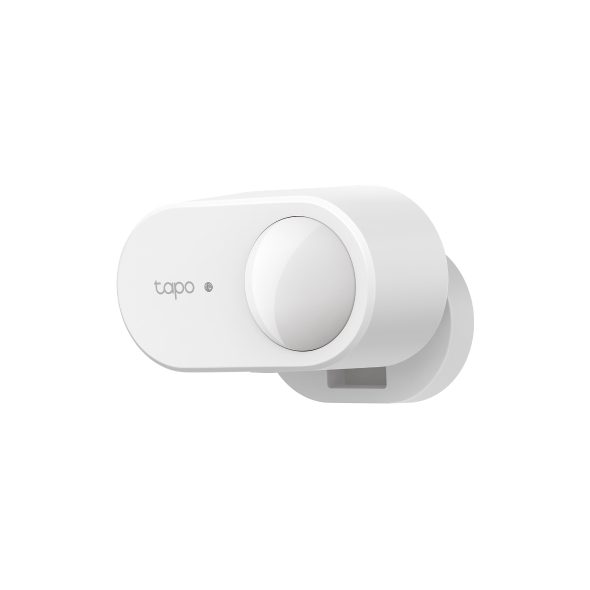
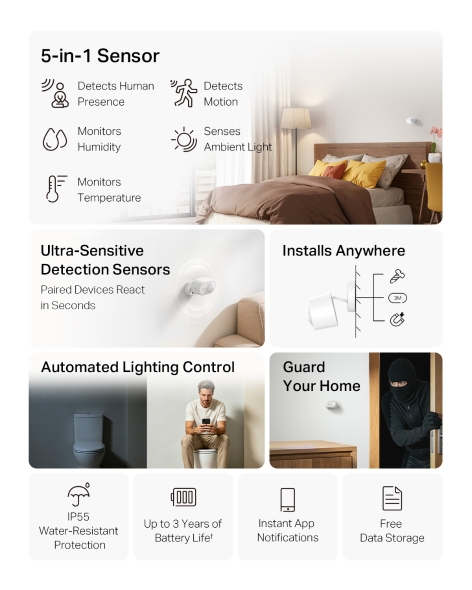
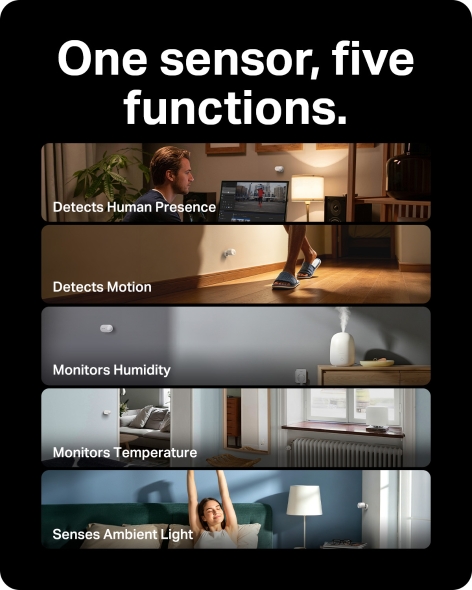
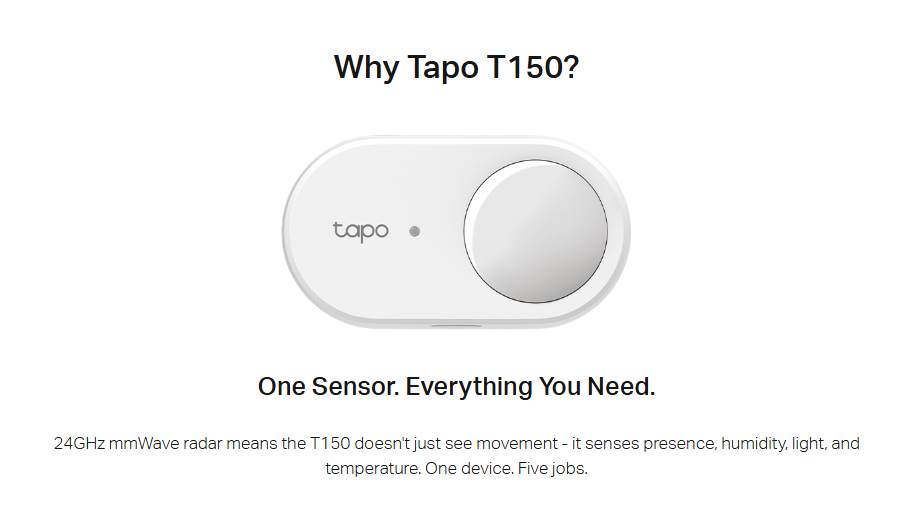
Fast Delivery ( By Air ) The TP-Link Tapo T150 Smart Human Presence Sensor combines multiple sensing functions in one device, including human presence detection, motion detection, temperature monitoring, humidity monitoring, and ambient light sensing. TP-Link Tapo T150 it is designed to automate compatible smart-home environments without requiring camera-based monitoring for presence detection.
Using 24 GHz mmWave technology, the sensor can detect human presence and motion from up to 6 metres away. TP-Link Tapo T150 it can recognise subtle movements and supports adjustable sensitivity and custom detection zones to help focus detection on specific areas.
The Tapo T150 supports automatic sensitivity adjustment, helping it adapt to its environment and ignore static objects. It also provides temperature detection from 0°C to 50°C, humidity detection from 0–99% RH, and ambient light detection from 0–1000 lux.
Powered by 2 AAA/LR03 batteries, TP-Link Tapo T150 the sensor offers up to 3 years of battery life. Its IP55-rated water resistance and multiple installation options, including a magnetic base, adhesive, screw, and mounting anchor, provide flexible placement.


| Specification | Details |
|---|---|
| Brand | TP-Link |
| Product Type | Smart Human Presence Sensor |
| Model | Tapo T150 |
| Hub Required | Yes |
| Detection Technology | 24 GHz mmWave |
| Max Presence Detection Distance | 6 m |
| Max Motion Detection Distance | 6 m |
| Temperature Detection Range | 0°C – 50°C |
| Humidity Detection Range | 0% – 99% RH |
| Ambient Light Detection Range | 0 – 1000 lux |
| Wireless Frequency | 868 MHz (EU Version) / 922 MHz (US Version) |
| Notifications | Tapo App Notifications |
| Battery Type | 2 × AAA/LR03 |
| Battery Life | Up to 3 Years |
| Water Resistance | IP55 |
| Operating Temperature | 0°C – 50°C |
| Operating Humidity | 10% – 90% RH, Non-condensing |
| Dimensions (H × W × D) | 7.02 × 3.92 × 3.3 cm |
| Mounting Options | Magnetic Base / 3M Adhesive / Screw / Mounting Anchor |
| Matter Support | Yes, via Tapo Hub |
| Compatible Platforms | Apple Home / Alexa / Google Home / Samsung SmartThings / IFTTT |
| Package Contents | Tapo T150 × 1 / Magnetic Base × 1 / AAA/LR03 Batteries × 2 / 3M Adhesive × 1 / Screw × 1 / Mounting Anchor × 1 / Quick Start Guide |
| Certifications | CE / R-NZ / UKCA / RoHS / JRF / VCCI / RCM |
Out of stock
Out of stock
Out of stock
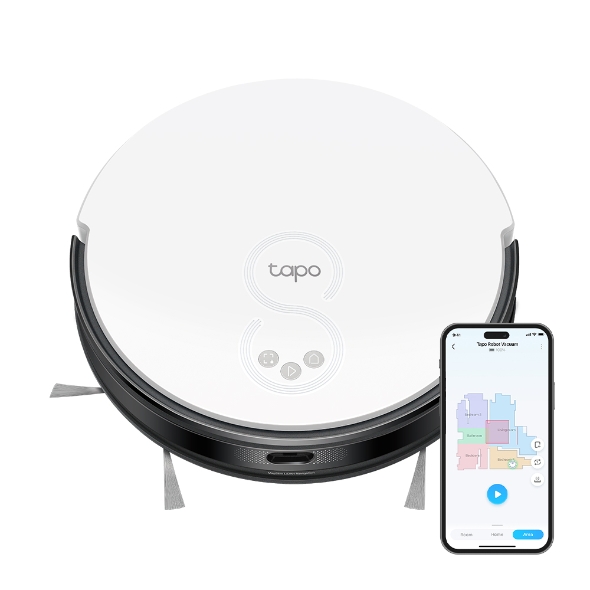
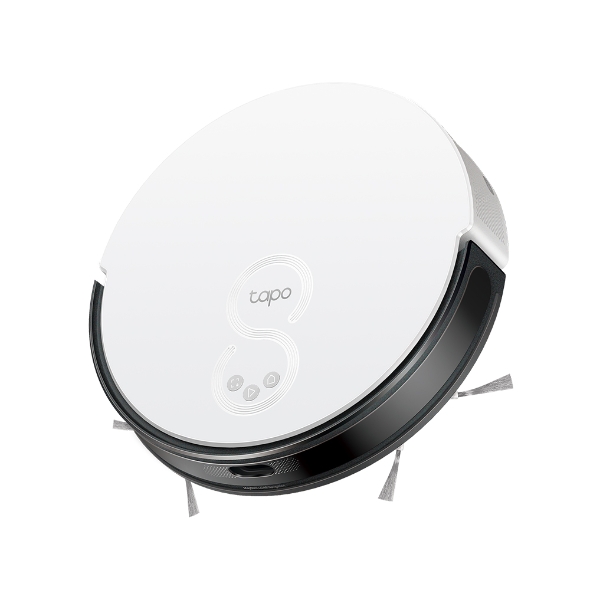
Out of stock
| Brand | TP-Link |
|---|---|
| Model | RV20 Mop |
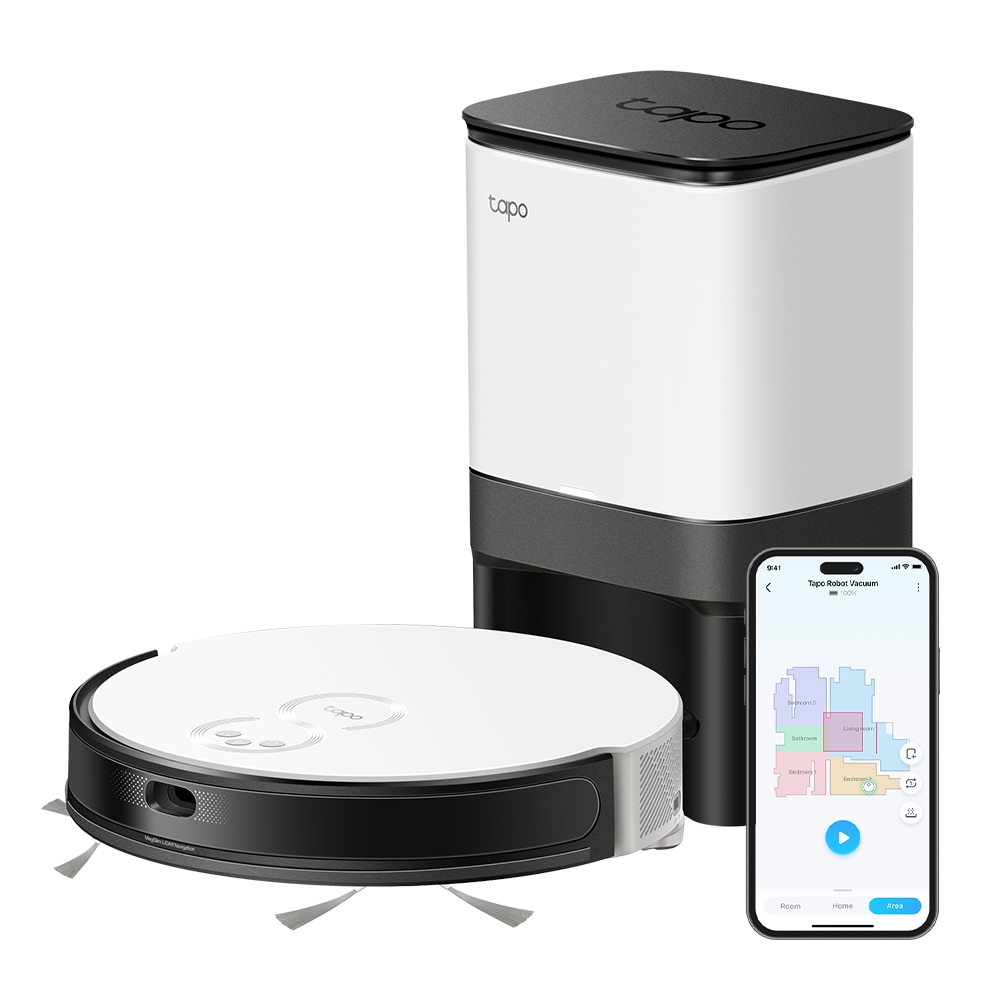
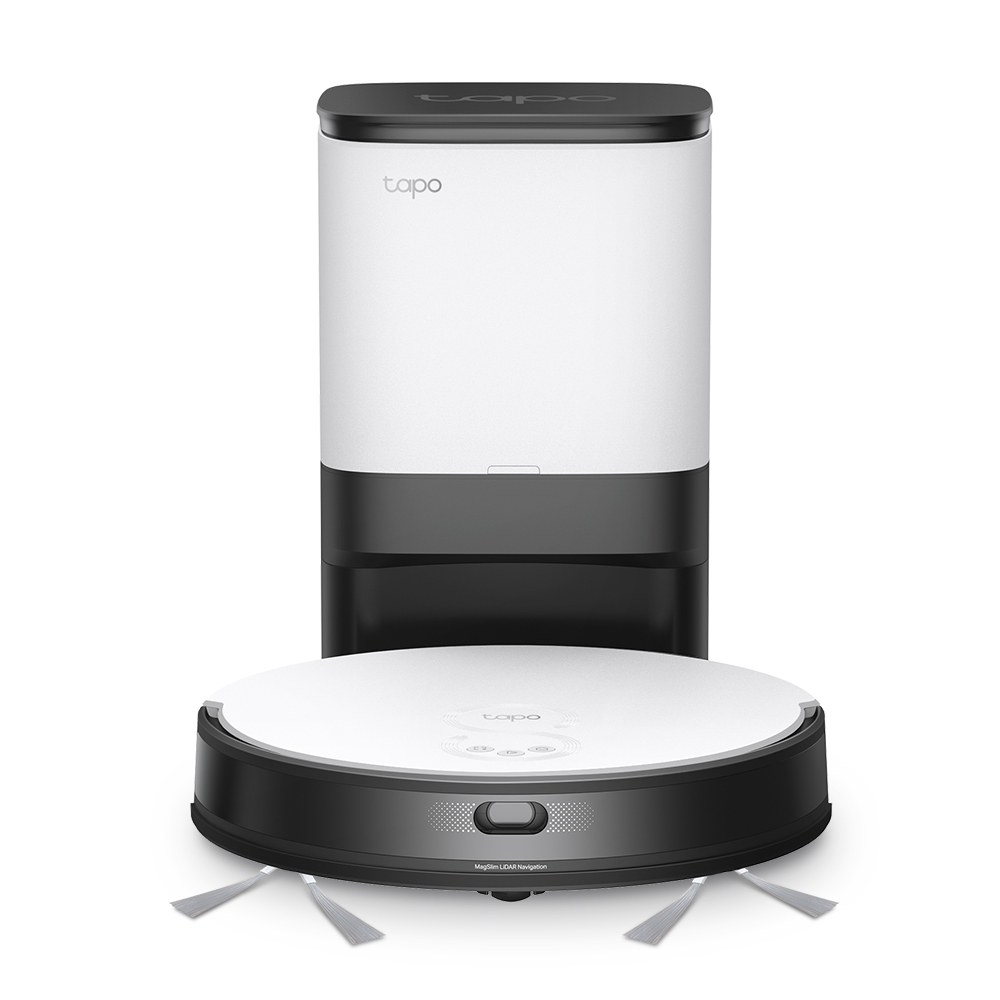
Out of stock
| Brand | TP-Link |
|---|---|
| Model | Tapo RV20 Mop Plus |