
 HD Cameras and Webcam
 Projectors and Speakers
 VOIP Phones and Gateway
 Access Control
 LTE and 5G Devices
 Smart Sensors And Automation
 Fiber and SFP Modules
 Firewall & Cloud Controllers
 Network Adapters and Accessories
 Network Switches
 PoE Switches
 Point To Point Wireless Radio
 Routers
 Wireless Access Points
 IP Cameras
 Memory Cards
 NVR
NVR Smart WiFi Cameras
 Storage Devices
 Desktop & Laptop RAMs
 Internal and External Hard Drives
 Storage Accessories and Enclosures
 SSD and NVMe Drives
 USB Flash Drives


Why AI Matters in 2026

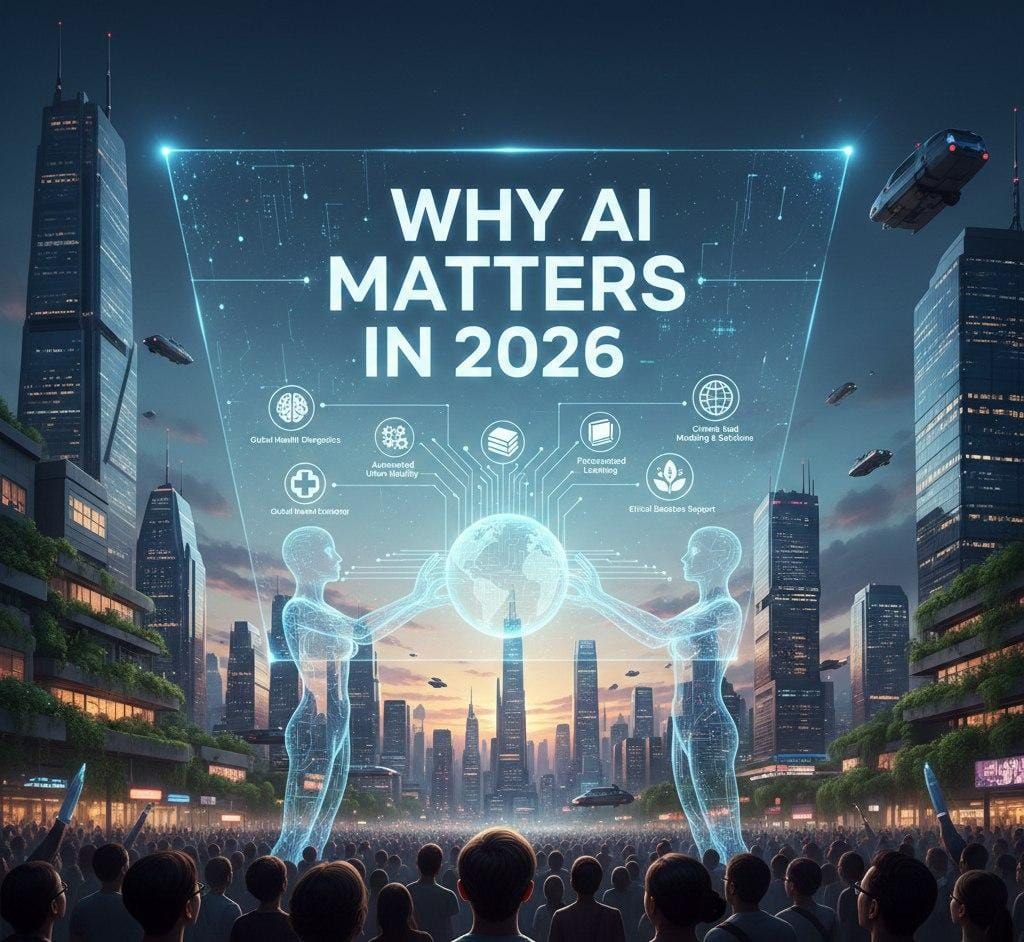

Why AI matters in 2026 is the central question for businesses, policymakers, and individuals preparing for the future. As we approach the mid-2020s, artificial intelligence transitions from experimental technology to fundamental infrastructure that will reshape every aspect of our lives. The transformative impact of AI in 2026 extends beyond automation to create intelligent systems that enhance human capabilities, drive innovation, and solve complex global challenges.
Why AI Matters in 2026: The Revolution Begins
Understanding why AI matters in 2026 requires examining its evolution from a specialized tool to a ubiquitous technology. By 2026, AI will have matured beyond hype to become the backbone of digital transformation across all industries. The convergence of increased computing power, vast datasets, and sophisticated algorithms has created a perfect storm for AI adoption.
What makes 2026 particularly significant is the expected maturation of several key AI technologies. Neural networks will become more efficient, requiring less computational power while delivering more accurate results. Natural language processing will reach near-human understanding, enabling seamless human-computer interaction. Computer vision systems will achieve unprecedented accuracy in object recognition and scene understanding.
The economic impact alone explains why AI matters in 2026. According to projections, AI could contribute up to $15.7 trillion to the global economy by 2026, with $6.6 trillion coming from increased productivity and $9.1 trillion from consumption-side effects. This economic transformation will create new industries while fundamentally reshaping existing ones.
AI in Healthcare: Saving Lives with Precision
Understanding why AI matters in 2026 is particularly crucial in healthcare, where AI-powered diagnostic tools will help doctors detect diseases earlier and with greater accuracy. Machine learning algorithms analyze medical images, predict patient outcomes, and personalize treatment plans based on genetic data. By 2026, AI-driven healthcare systems will reduce diagnostic errors by 40% and improve treatment outcomes by 60%.

The integration of AI in healthcare extends beyond diagnostics. Predictive analytics will enable hospitals to anticipate patient admissions and optimize resource allocation. AI-powered robotic surgery systems will perform complex procedures with sub-millimeter precision, reducing recovery times and improving patient outcomes. Personalized medicine will become standard practice, with AI algorithms analyzing genetic data to recommend treatments tailored to individual patients.
Telemedicine platforms enhanced by AI will provide remote diagnosis and treatment recommendations, expanding access to quality healthcare in underserved areas. AI chatbots will handle routine patient inquiries, freeing medical staff to focus on complex cases. The cumulative effect of these advancements demonstrates why AI matters for healthcare transformation in 2026.
AI in Business: Transforming Operations and Efficiency
For business leaders wondering why AI matters in 2026, the answer lies in unprecedented efficiency gains and competitive advantages. Businesses leveraging AI in 2026 will experience 35% higher productivity and 25% lower operational costs. From automated customer service to predictive analytics, AI is reshaping how companies operate and compete in the global marketplace.
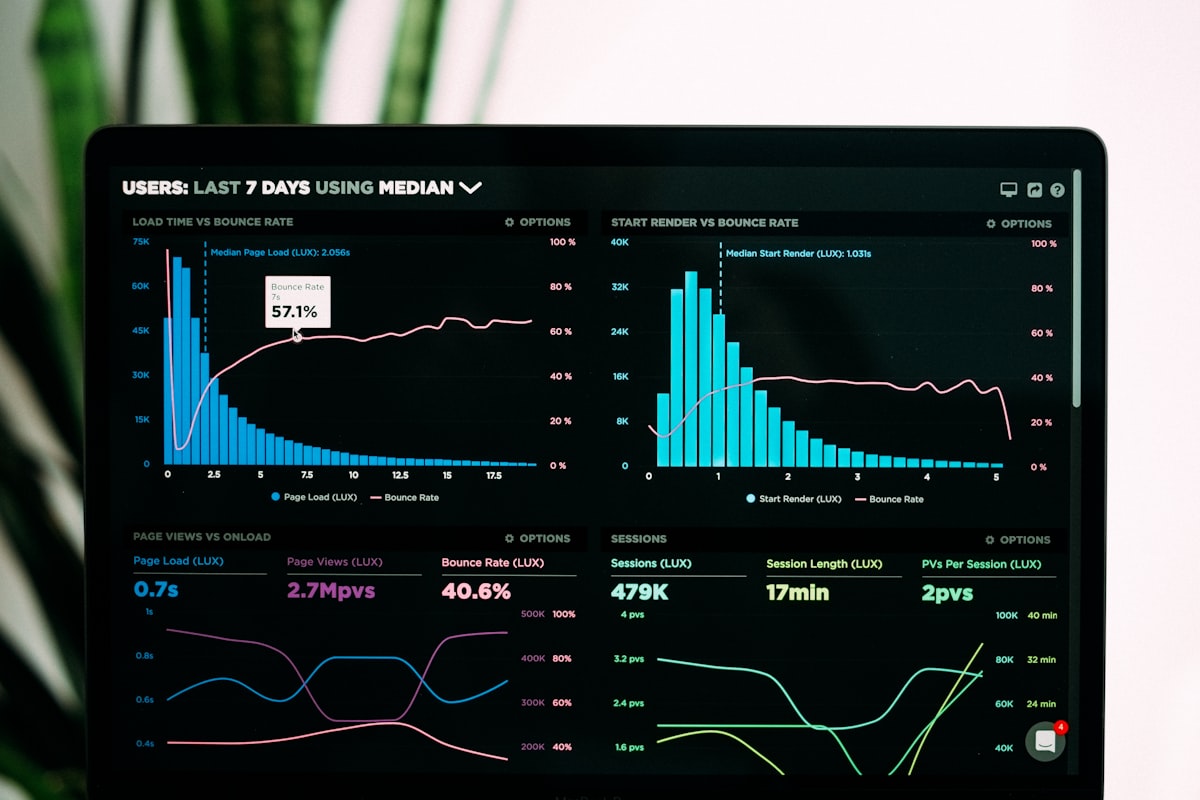
Customer experience will be revolutionized by AI-powered personalization. E-commerce platforms will use AI to analyze browsing patterns and purchase history, offering highly relevant product recommendations that increase conversion rates by up to 30%. Chatbots and virtual assistants will handle 70% of customer service inquiries, providing instant responses while reducing operational costs.
Supply chain optimization represents another area where AI demonstrates its value. Predictive algorithms will forecast demand fluctuations with 95% accuracy, enabling businesses to optimize inventory levels and reduce waste. AI-powered logistics systems will optimize delivery routes in real-time, considering traffic patterns, weather conditions, and fuel efficiency. For manufacturing, AI-driven quality control systems will detect defects with greater accuracy than human inspectors, reducing waste and improving product quality.
AI in Education: Personalized Learning Systems
Educational transformation demonstrates another aspect of why AI matters in 2026. Educational institutions in 2026 will use AI to create adaptive learning environments that cater to individual student needs, learning styles, and pace. Each student receives a customized curriculum that matches their learning pace and style, addressing knowledge gaps and building on strengths.

AI tutors will provide instant feedback on assignments, identifying areas where students struggle and offering targeted resources for improvement. These virtual tutors will be available 24/7, providing consistent support regardless of geographic location or socioeconomic status. Language learning platforms will use AI to analyze pronunciation and provide real-time correction, accelerating language acquisition.
Administrative tasks will also benefit from AI integration. Automated grading systems will handle routine assessments, freeing educators to focus on curriculum development and student engagement. Predictive analytics will identify students at risk of falling behind, enabling early intervention. These applications collectively show why AI matters for creating more effective, accessible, and personalized education systems in 2026.
AI in Daily Life: The Invisible Assistant
To understand why AI matters in 2026, observe its seamless integration into daily routines and household systems. By 2026, AI will be seamlessly integrated into our daily lives through smart homes that anticipate our needs, transportation systems that optimize routes in real-time, and personal assistants that manage schedules efficiently.

Smart home ecosystems will learn household patterns and preferences, automatically adjusting lighting, temperature, and entertainment systems. AI-powered kitchen appliances will suggest recipes based on available ingredients and nutritional requirements, while smart refrigerators will track expiration dates and create shopping lists. Home security systems will use facial recognition and behavior analysis to distinguish between family members, guests, and potential threats.
Transportation will undergo significant transformation with the widespread adoption of autonomous vehicles. AI navigation systems will optimize routes in real-time, considering traffic conditions, weather, and road closures. Ride-sharing platforms will use AI to match passengers more efficiently, reducing wait times and empty miles. Public transportation systems will implement AI-driven scheduling and routing, improving service reliability and reducing congestion.
Challenges and Considerations for AI in 2026
While exploring why AI matters in 2026, it’s equally important to address the challenges and ethical considerations. Data privacy remains a significant concern, with AI systems requiring access to vast amounts of personal information. Establishing robust data protection frameworks will be essential to maintain public trust and prevent misuse.
Algorithmic bias presents another challenge that must be addressed. If trained on biased datasets, AI systems can perpetuate and amplify existing inequalities. Developing diverse training datasets and implementing bias detection mechanisms will be crucial for creating fair and equitable AI systems.
The impact on employment requires careful management. While AI will create new job categories, it will also displace certain roles. Investing in retraining programs and education initiatives will help workers transition to new opportunities. These considerations are essential for understanding the complete picture of why AI matters in 2026 and ensuring its benefits are distributed equitably.
Conclusion: Why AI Matters in 2026 and Beyond
Why AI matters in 2026 is no longer a speculative question but an established reality with profound implications across all sectors. The year 2026 marks a turning point where AI transitions from experimental technology to foundational infrastructure that will shape the next decade of technological advancement.
Organizations and individuals who understand why AI matters and proactively embrace this technology will gain significant advantages in efficiency, innovation, and quality of life. The competitive landscape will favor those who can effectively integrate AI into their operations, while those who resist adoption risk being left behind.
As we approach 2026, the essential question has shifted from whether AI matters to how quickly we can adapt to leverage its full potential. The evidence for why AI matters in 2026 is overwhelming across every sector, making AI adoption not just beneficial but essential for future success. The decisions made today regarding AI strategy, ethics, and implementation will determine which organizations and societies thrive in the AI-driven world of 2026 and beyond.