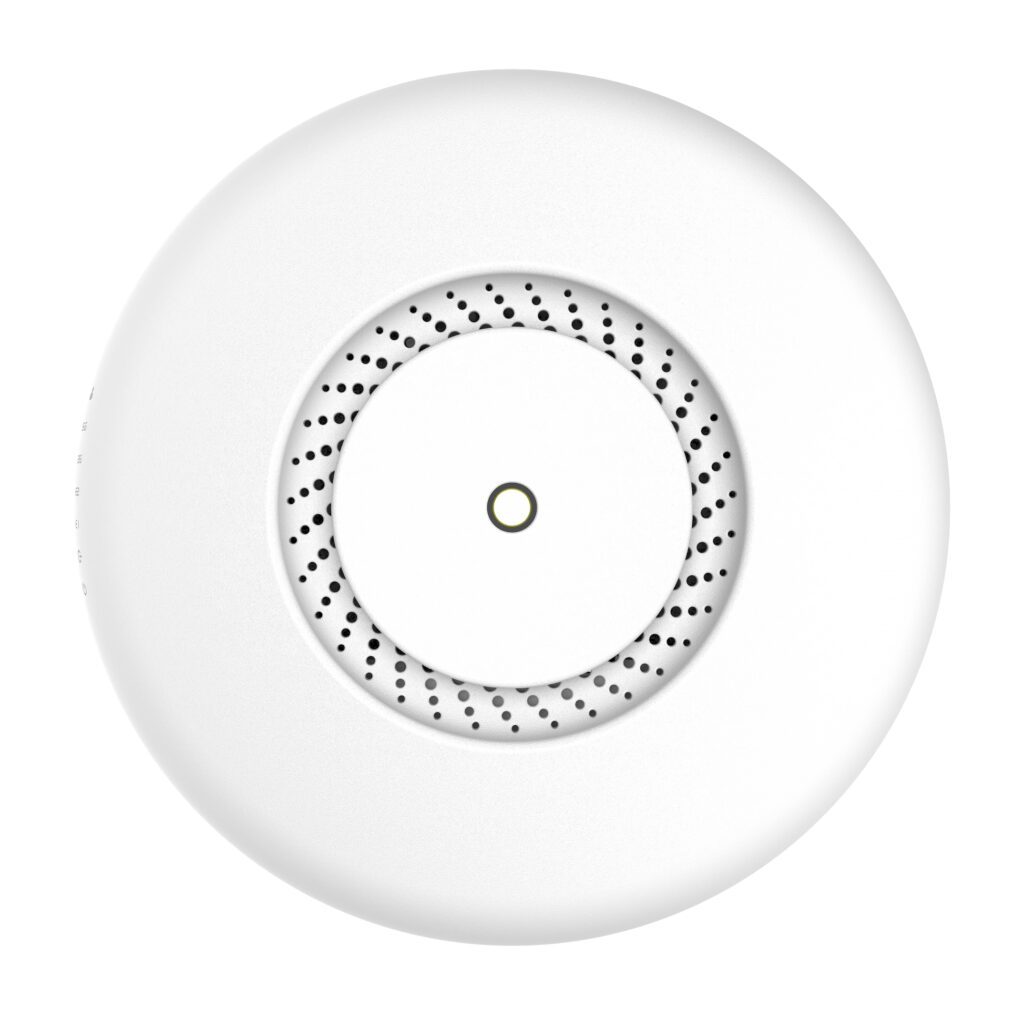
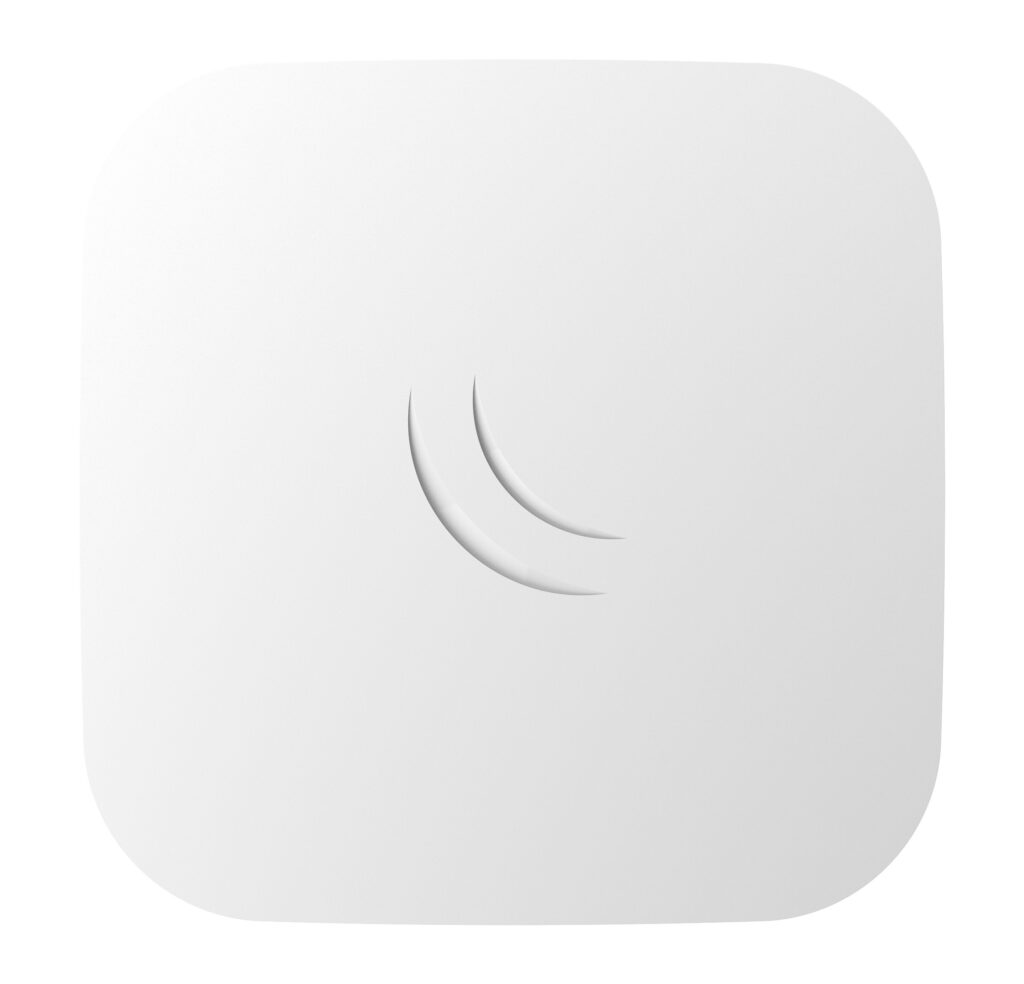
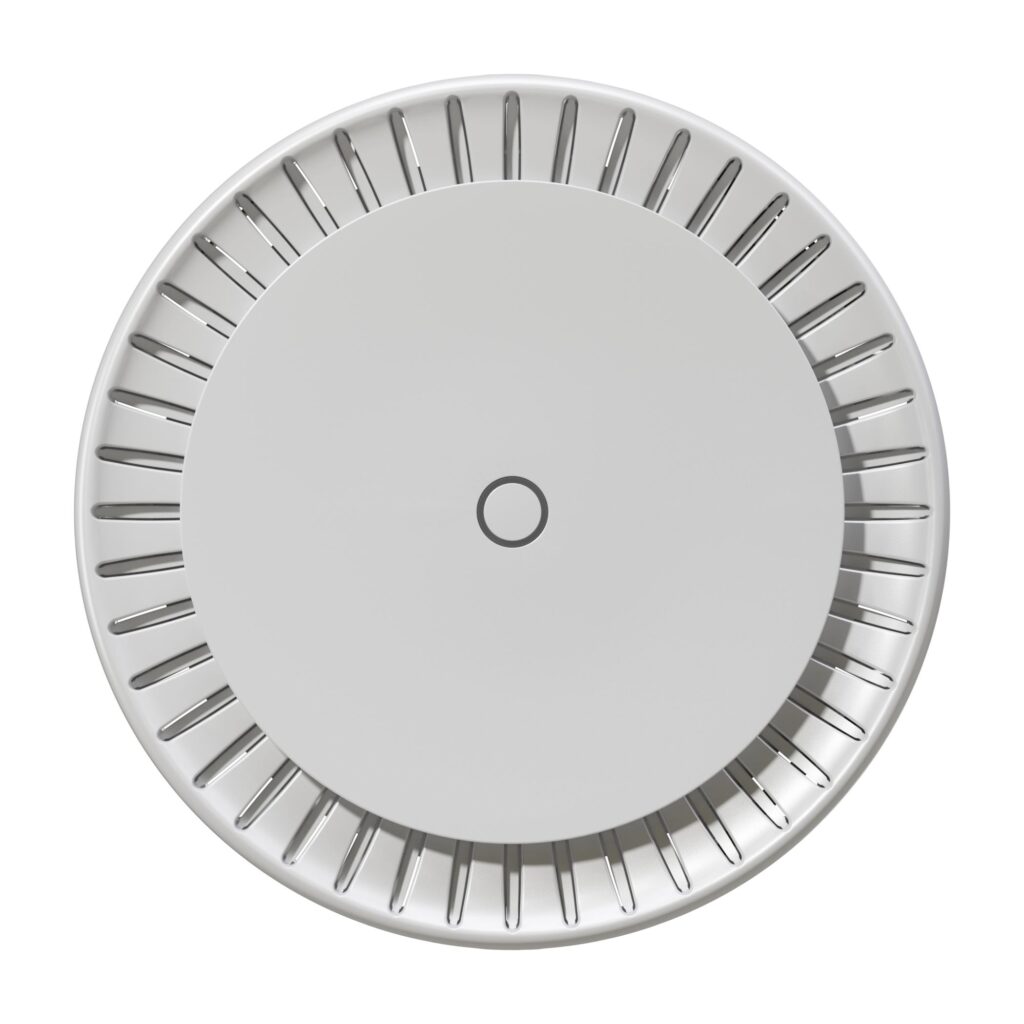
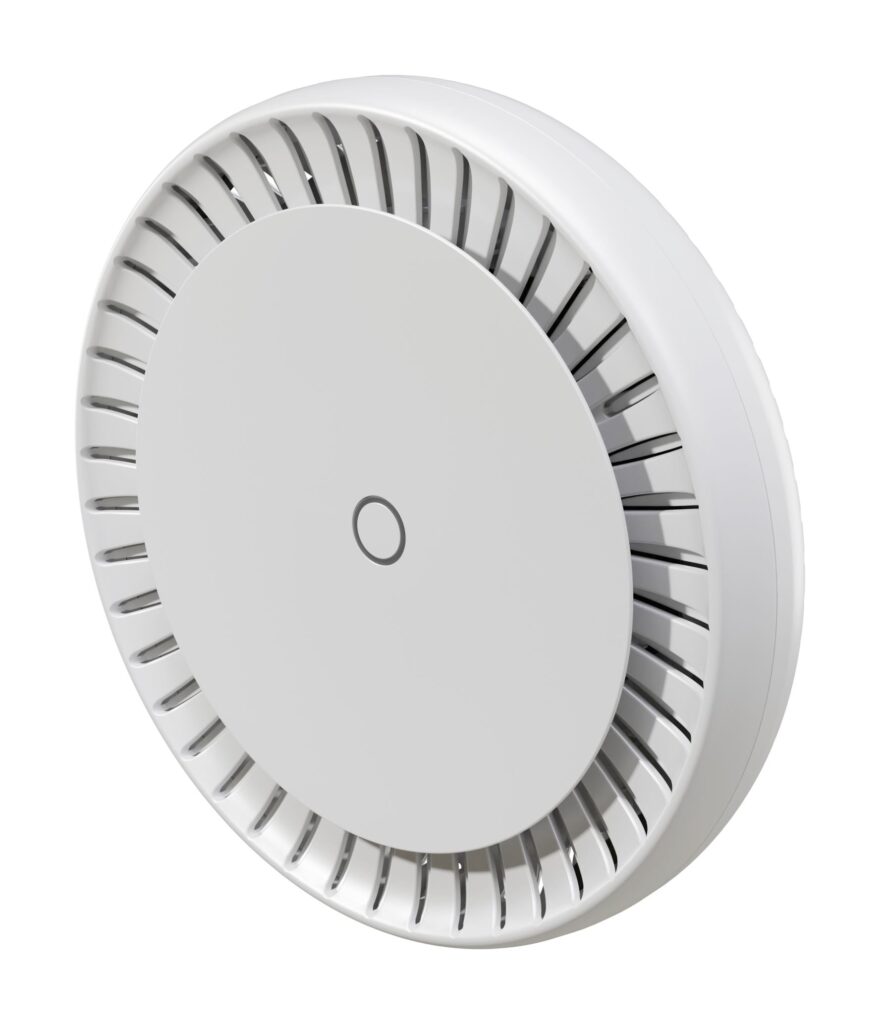
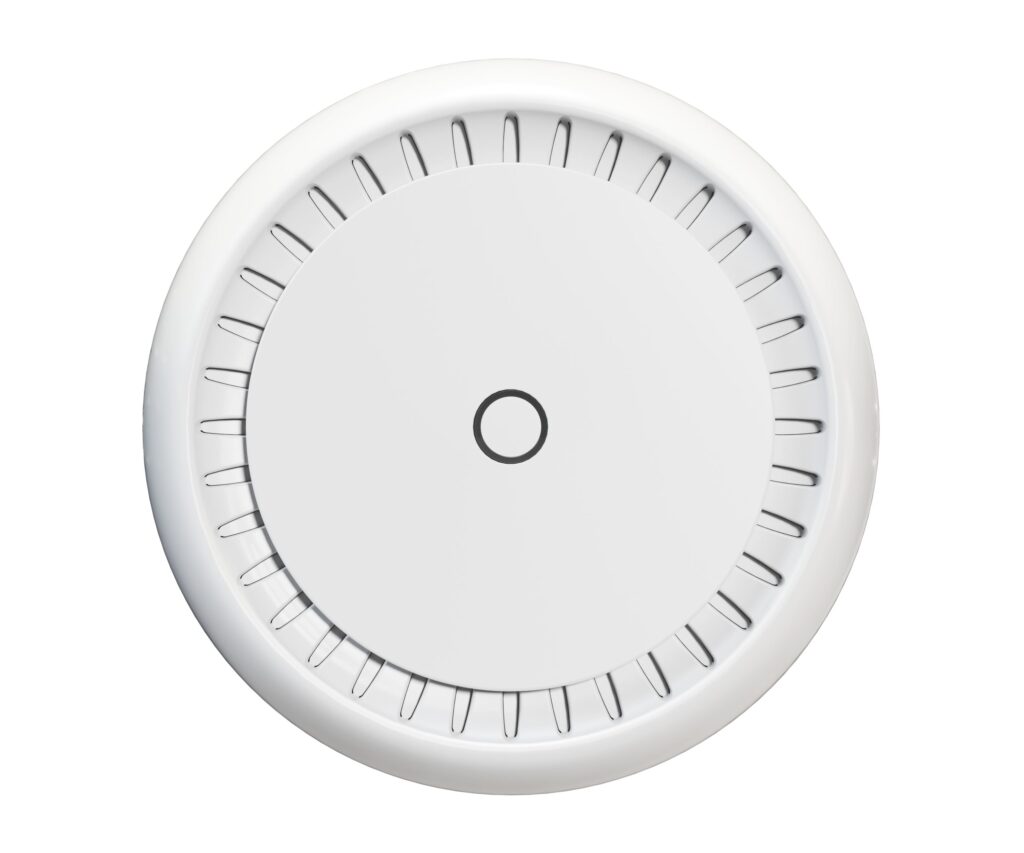
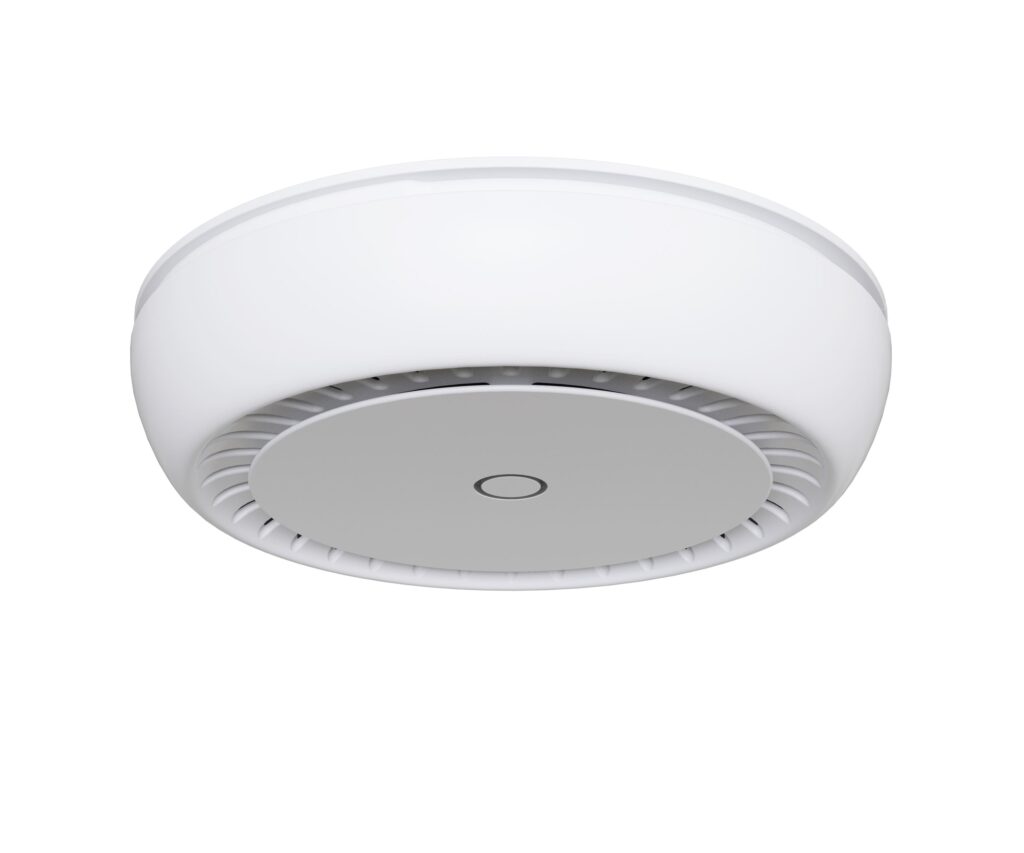
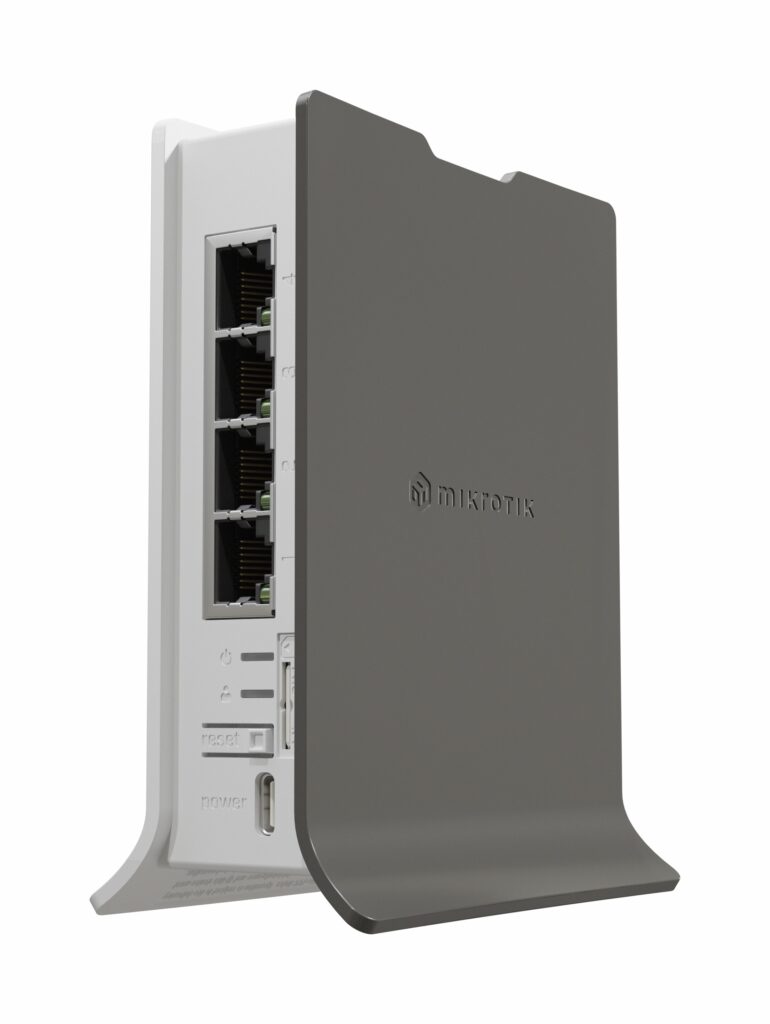
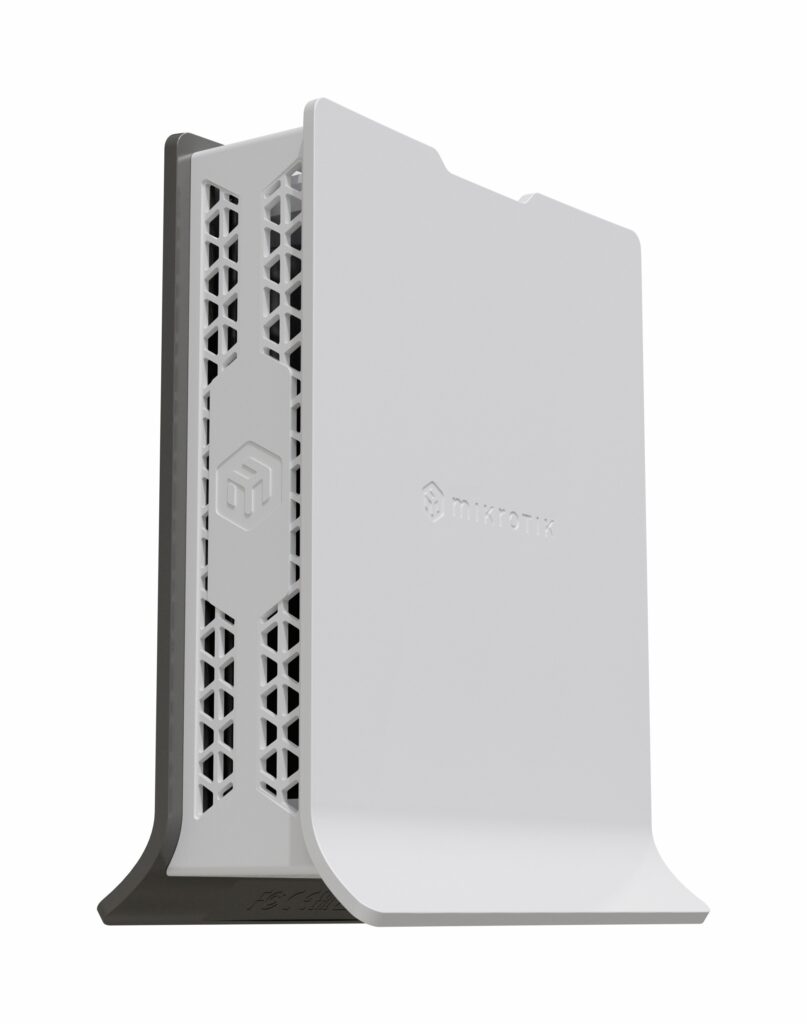
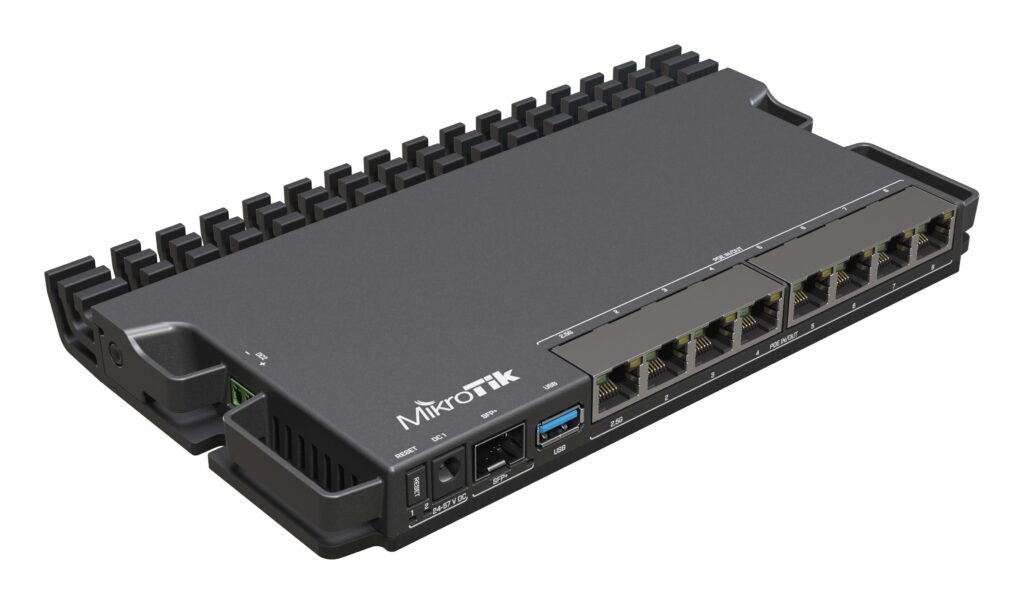
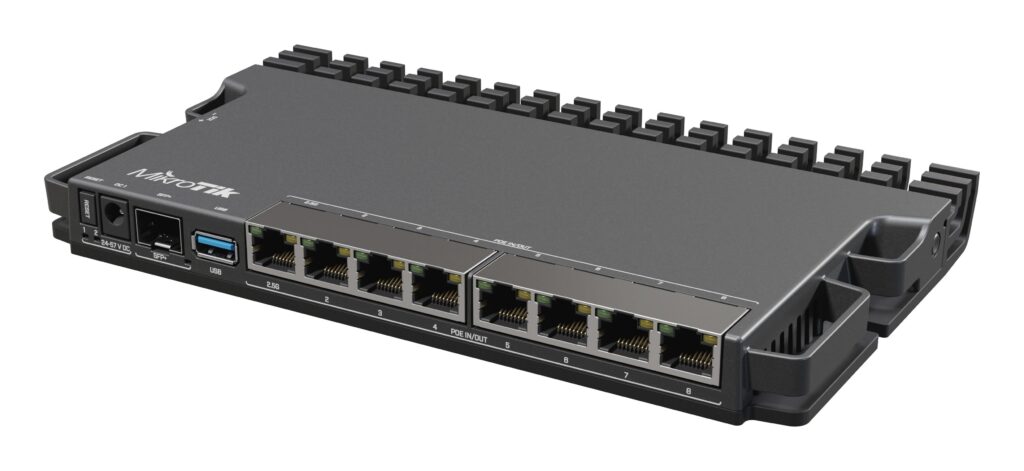
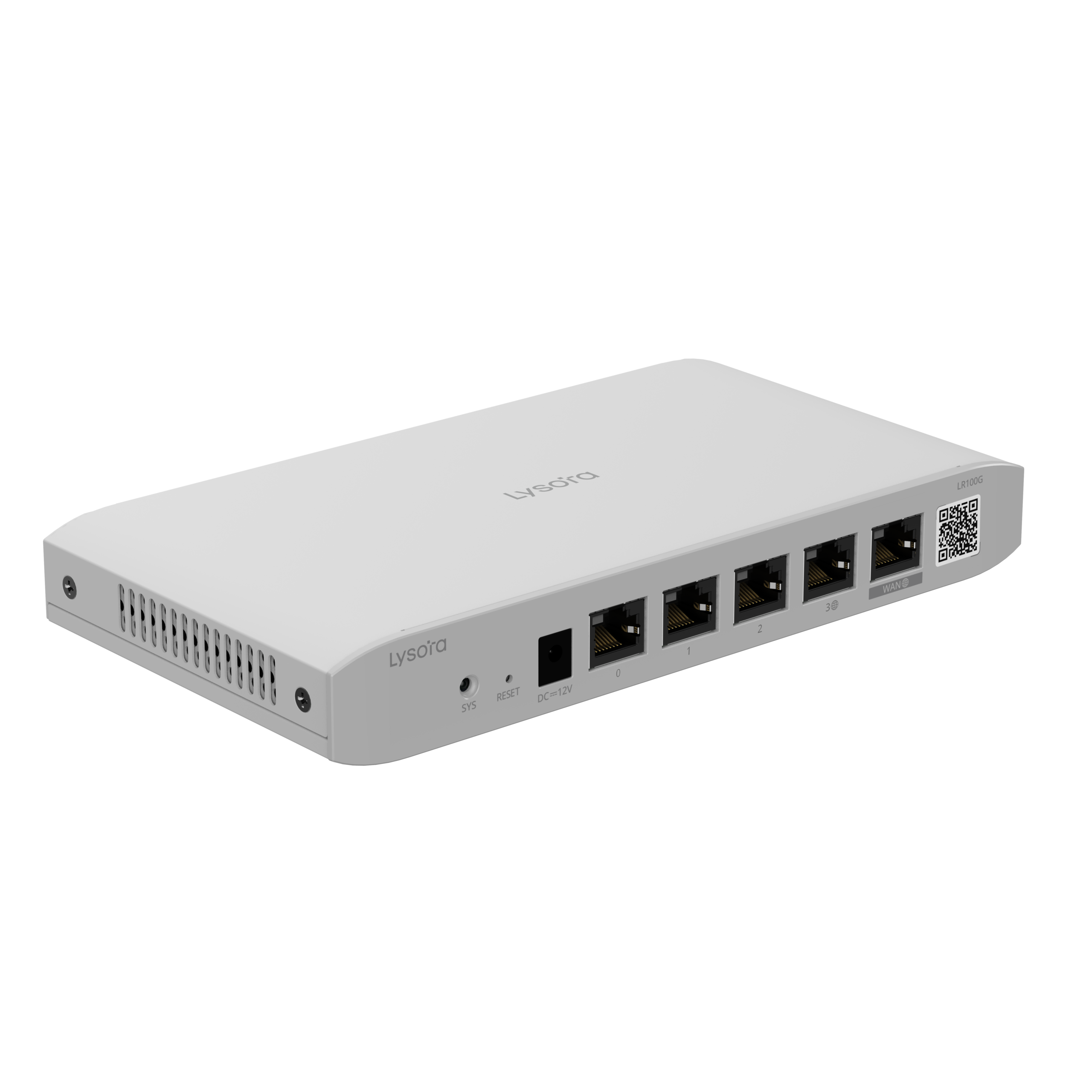
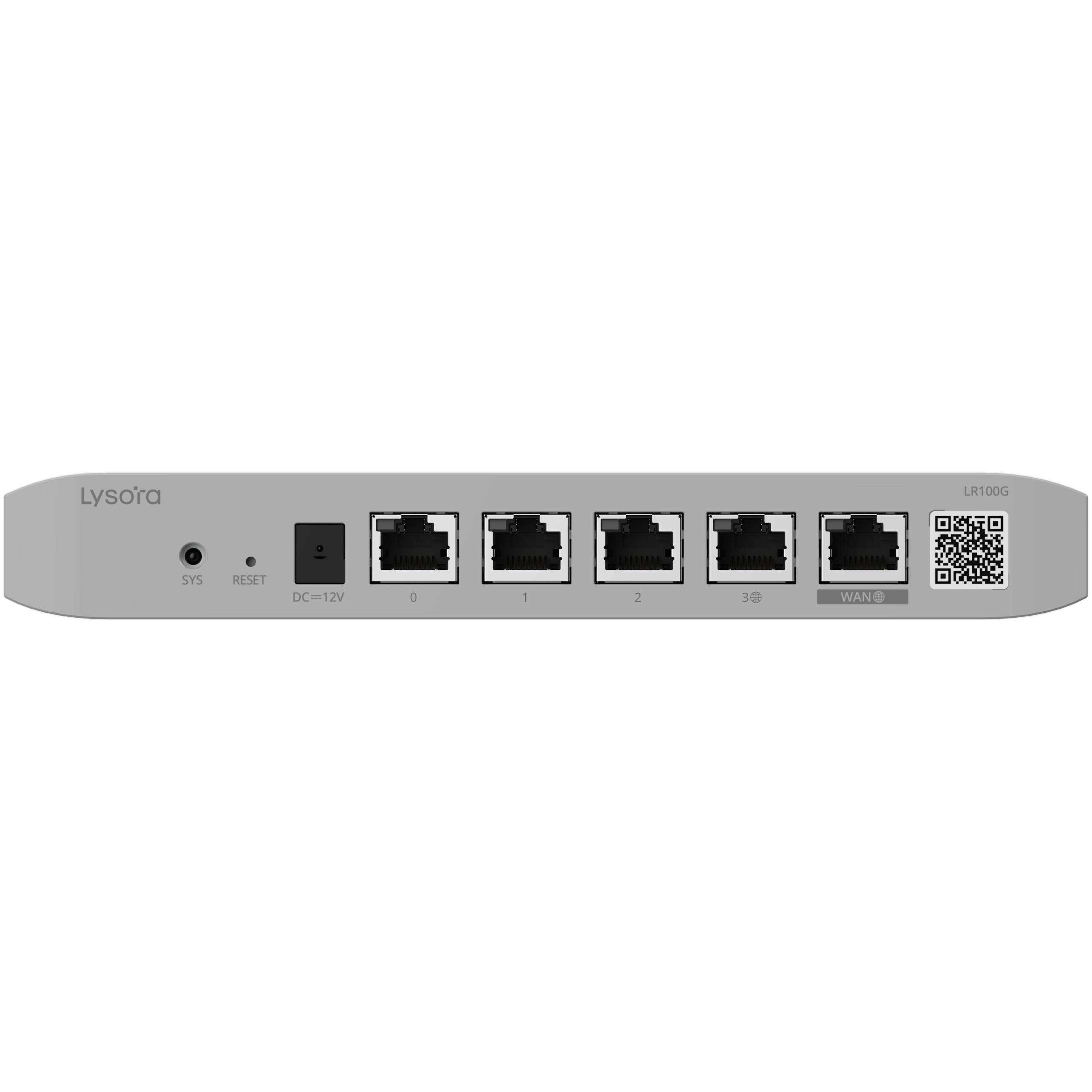
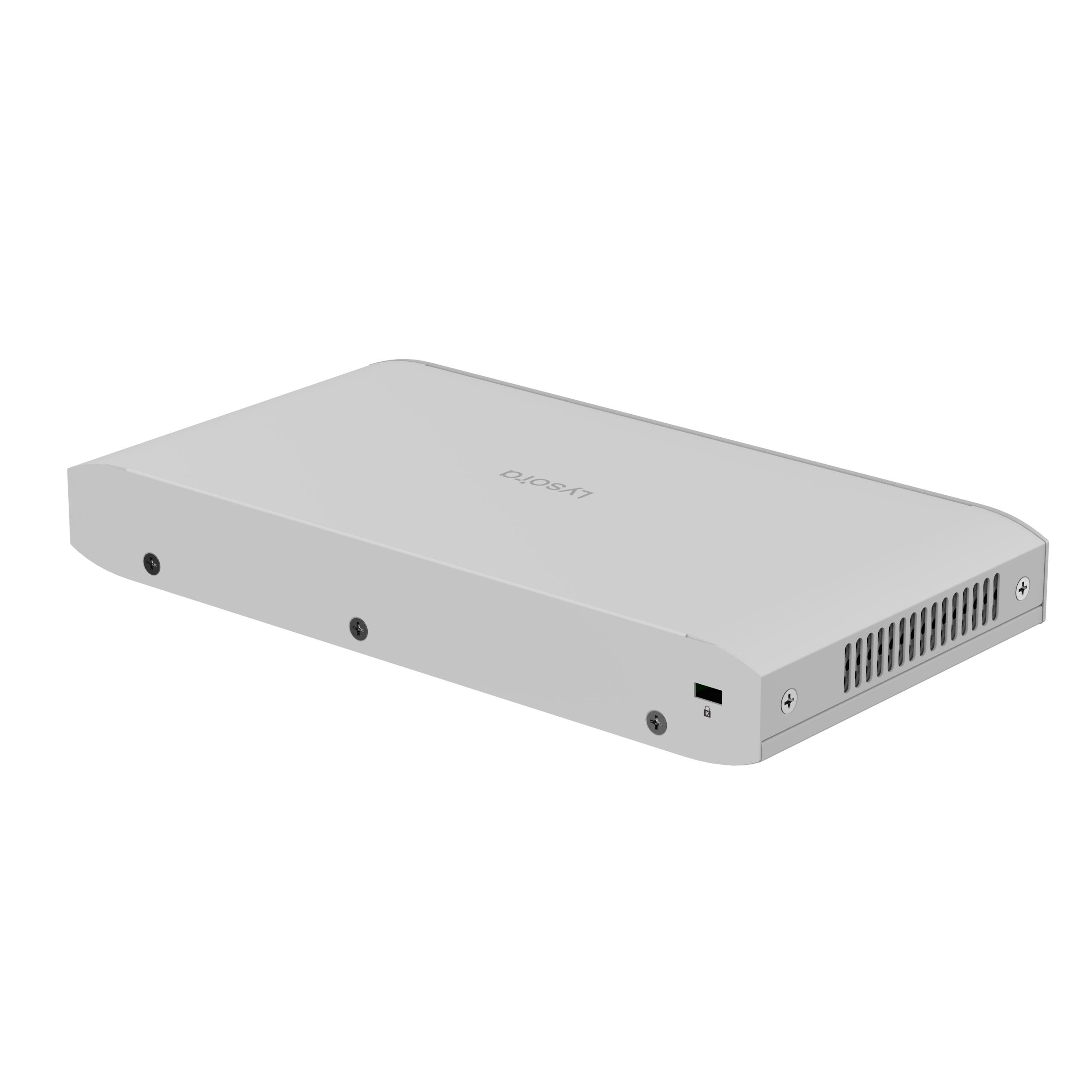
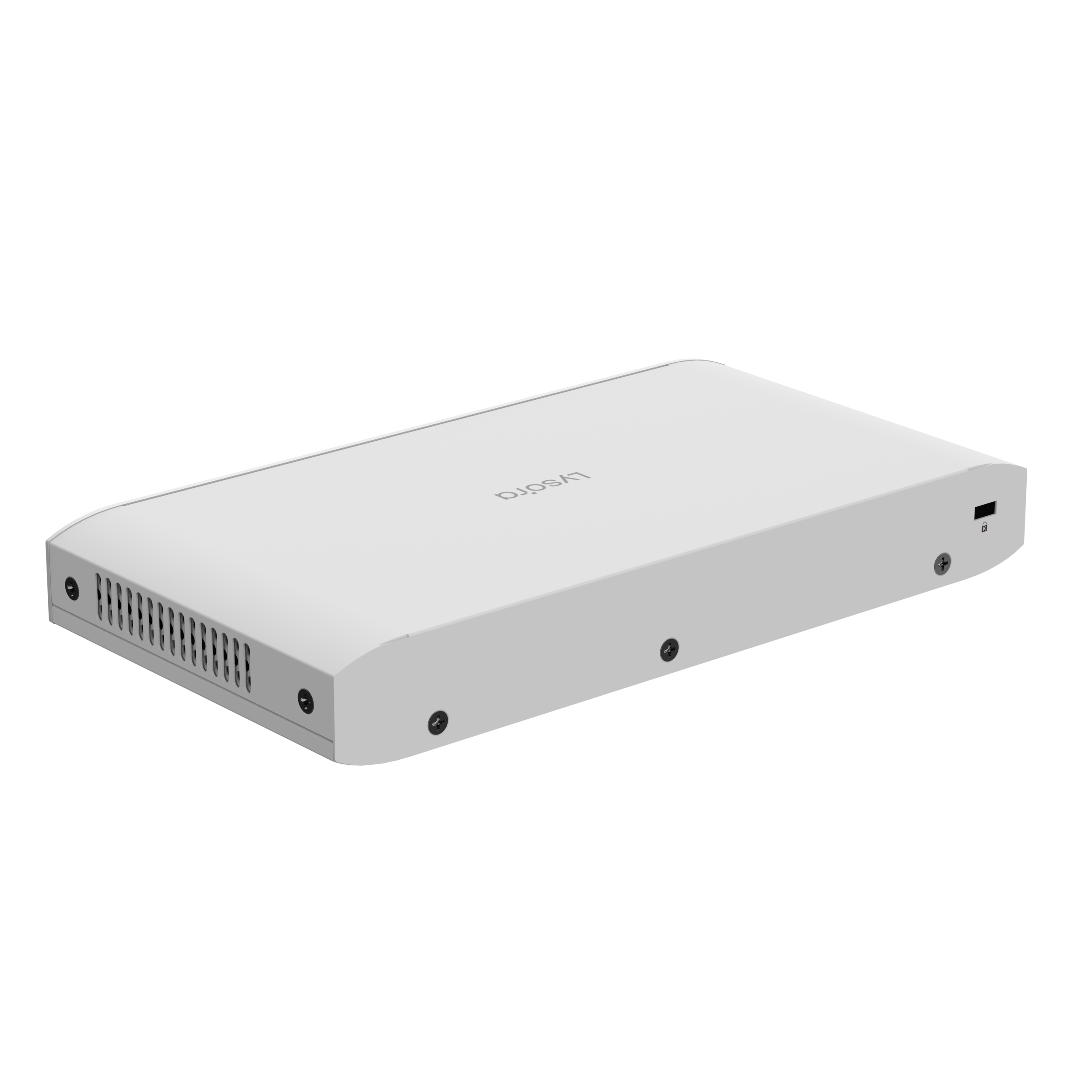
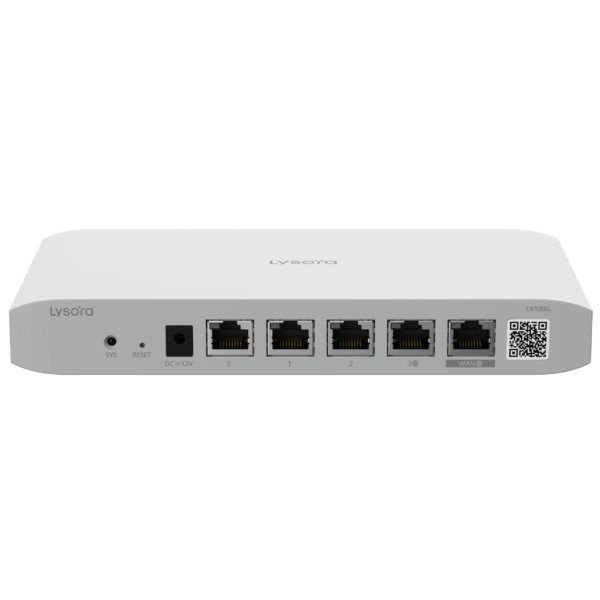
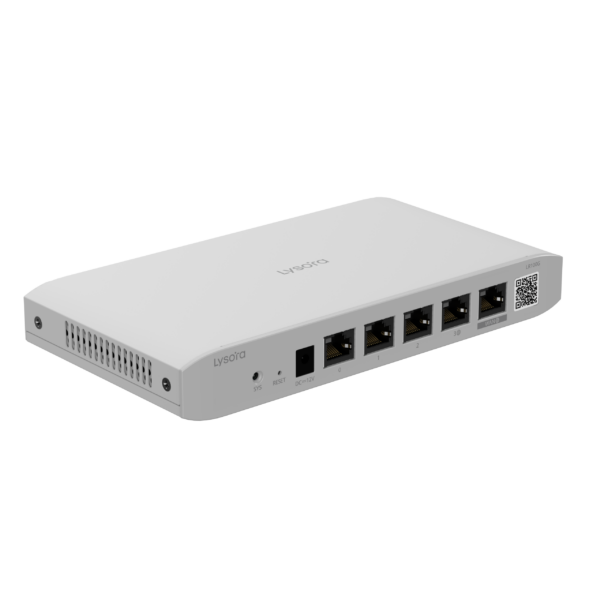
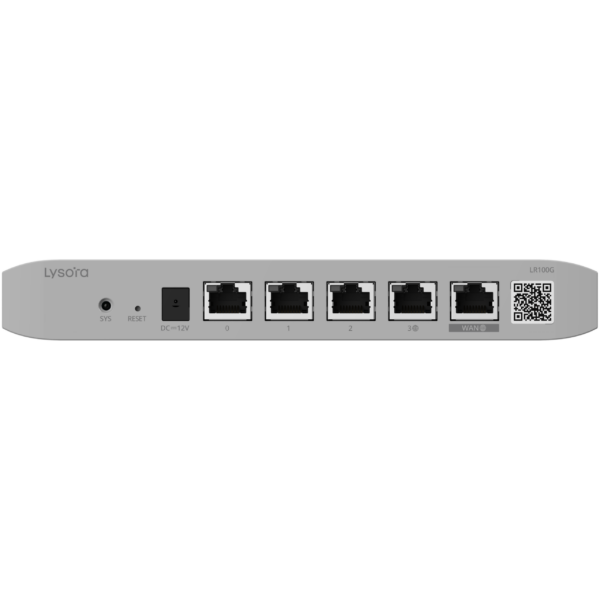
The Lysora LR100G is a 5-port cloud managed router with five 10/100/1000BASE-T Ethernet ports, including 3 fixed LAN ports, 1 fixed WAN port, and 1 LAN/WAN port. It supports a maximum of 4 LAN ports and 2 WAN ports, with throughput of 1000 Mbps in Turbo Mode and 600 Mbps in Normal Mode. The router supports up to 12,000 concurrent sessions and a recommended 100 concurrent clients.
The LR100G provides cloud management, cloud-based O&M, cloud-based software upgrades, and app-based management. Lysora LR100G5 it supports VLAN with up to 16 VLANs across all LAN interfaces, load balancing, IPv4/IPv6 static routing, PBR, URL-based routing, RIP, and OSPF. Security features include ACL, IP-MAC binding, MAC address filtering, security zone, local attack defense, connection limiting, and network sharing prevention.
For VPN connectivity, the router supports Site-to-Site IPsec VPN and Client-to-Site L2TP VPN, L2TP over IPSec VPN, OpenVPN, PPTP VPN, and WireGuard. Lysora LR100G5 it also supports SD-WAN with a specified performance of 80 Mbps. Additional IP services include ARP, DHCP, DNS, DDNS, IPTV, NAT, UPnP, and IPv4/IPv6.
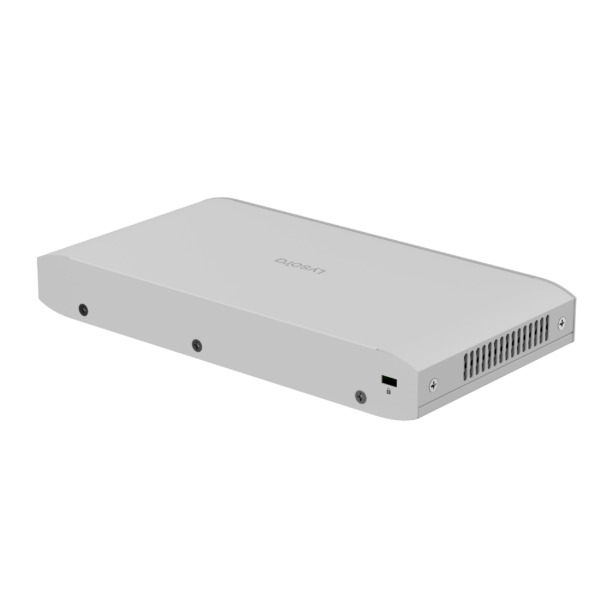
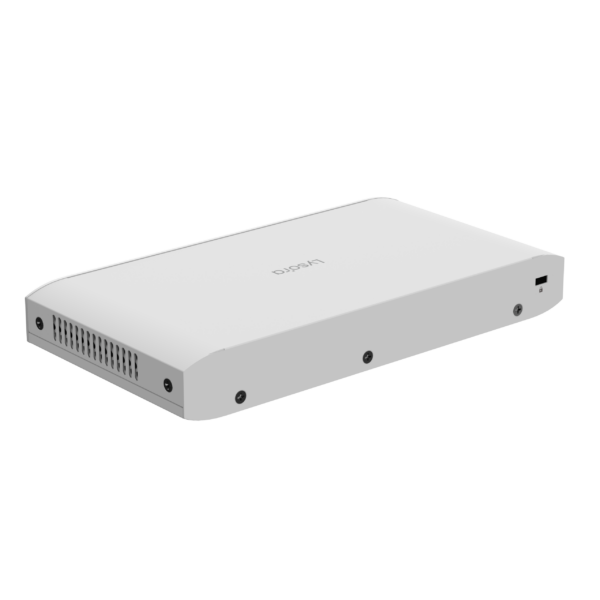
The router features a dual-core processor with an 880 MHz clock frequency per core, 32 MB flash memory, and 128 MB RAM. Lysora LR100G5 it is fanless and uses natural cooling, with a maximum power consumption of 5 W. The LR100G supports desktop and wall-mounted installation and operates at temperatures from 0°C to 40°C with 10% RH to 90% RH non-condensing operating humidity.
Best Suited For
- Cloud-managed network deployments.
- Networks requiring Gigabit Ethernet connectivity.
- Applications requiring routing, VLAN, and security features.
- Networks requiring VPN and SD-WAN capabilities.
- Deployments requiring desktop or wall-mounted installation.
Not Suited For
- Applications requiring PoE/PoE+ output.
- Networks requiring SFP or SFP+ optical ports.
- Applications requiring USB or hard-disk connectivity.
- Networks requiring BGP, IS-IS, STP, or VRRP.
- Deployments requiring fan-based cooling.

 HD Cameras and Webcam
 Projectors and Speakers
 VOIP Phones and Gateway
 Access Control
 5G routers and 4G LTE Devices
 Smart Sensors And Automation
 Fiber and SFP Modules
 Firewall & Cloud Controllers
 Network Adapters and Accessories
 Network Switches
 PoE Switches
 Point To Point Wireless Radio
 Routers
 Wireless Access Points
 IP Cameras
 Memory Cards
 NVR
NVR Smart WiFi Cameras
 Storage Devices
 Desktop & Laptop RAMs
 Internal and External Hard Drives
 Storage Accessories and Enclosures
 SSD and NVMe Drives
 USB Flash Drives


 Pick up from the FGTECH Store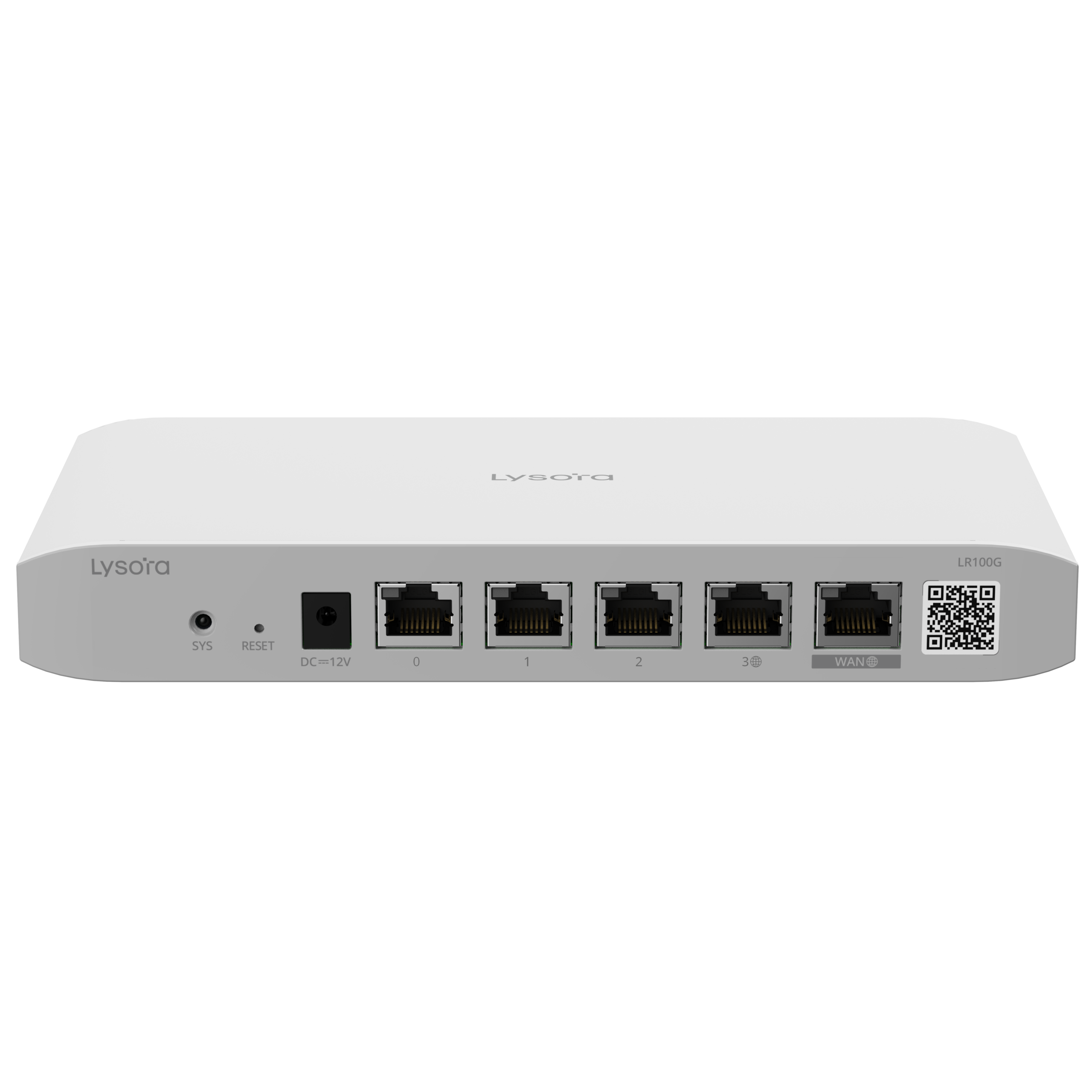

 Pick up from the FGTECH Store
  Courier delivery