
 HD Cameras and Webcam
 Projectors and Speakers
 VOIP Phones and Gateway
 Access Control
 LTE and 5G Devices
 Smart Sensors And Automation
 Fiber and SFP Modules
 Firewall & Cloud Controllers
 Network Adapters and Accessories
 Network Switches
 PoE Switches
 Point To Point Wireless Radio
 Routers
 Wireless Access Points
 IP Cameras
 Memory Cards
 NVR
NVR Smart WiFi Cameras
 Storage Devices
 Desktop & Laptop RAMs
 Internal and External Hard Drives
 Storage Accessories and Enclosures
 SSD and NVMe Drives
 USB Flash Drives


-
 Pick up from the FGTECH Store
-
Courier delivery
-
Porter / WeFast
-
Fast Delivery ( By Air )

 Pick up from the FGTECH Store
  Courier delivery
Porter / WeFast
Fast Delivery ( By Air )
Courier delivery
Porter / WeFast
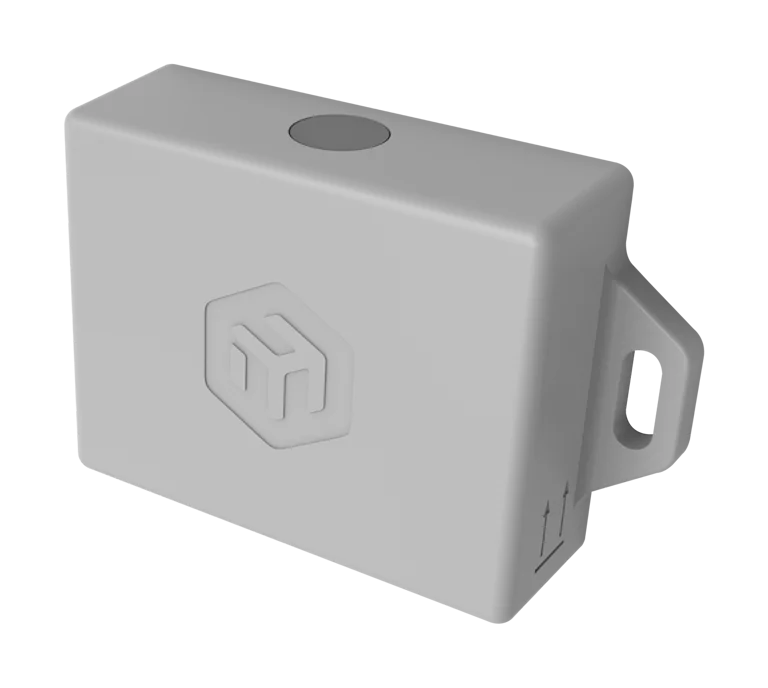
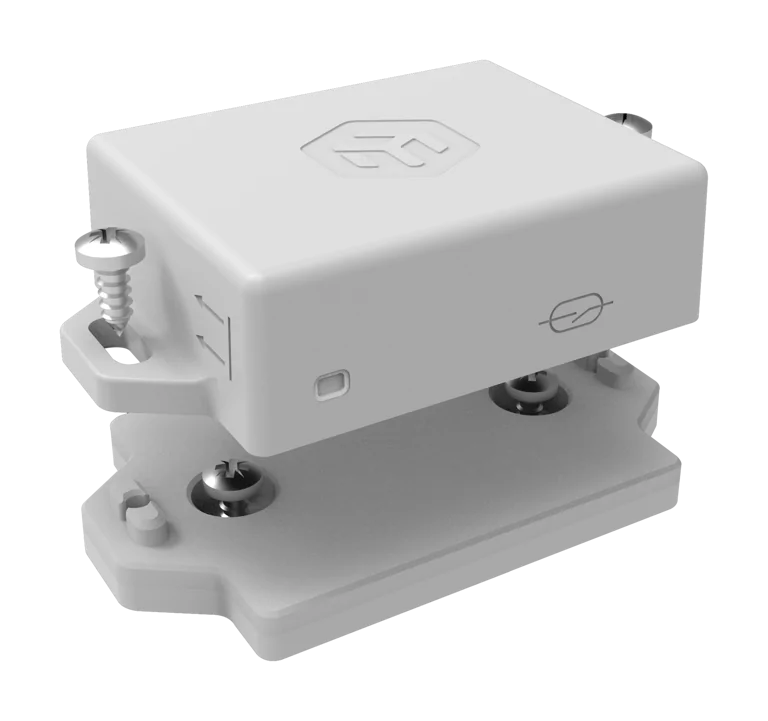
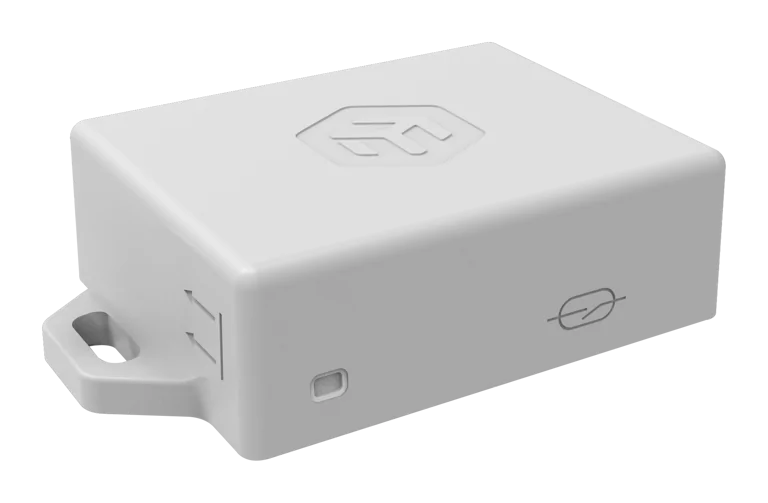
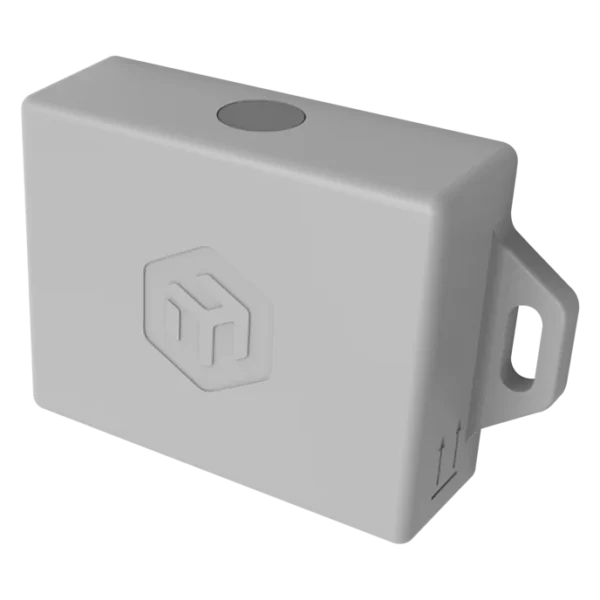
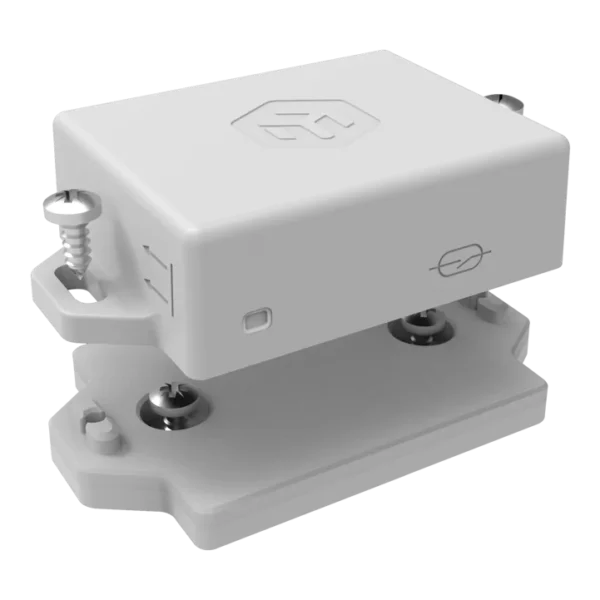
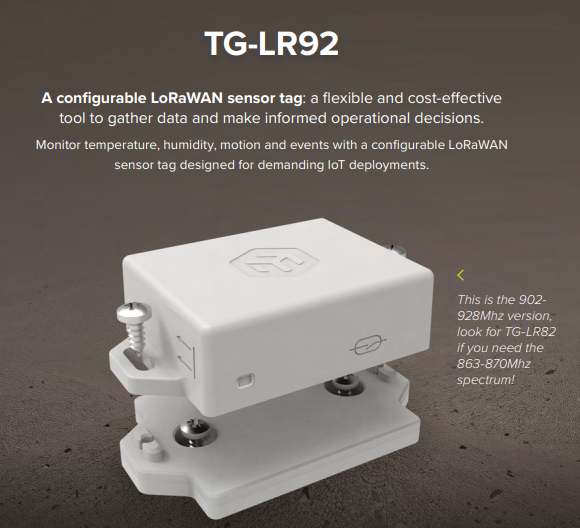
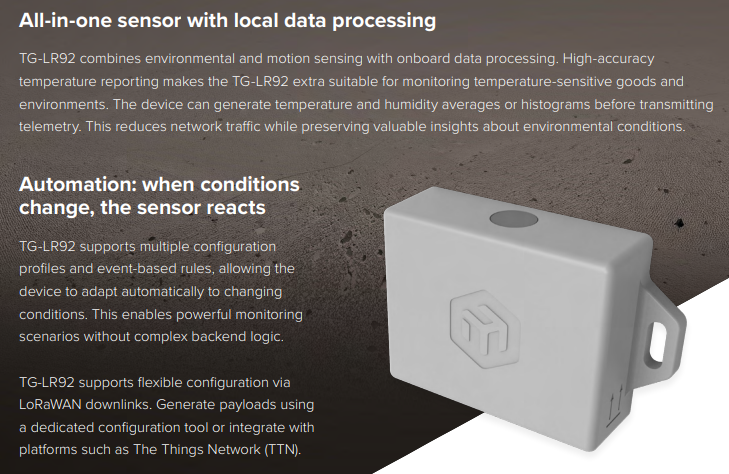
Fast Delivery ( By Air ) The Mikrotik TG-LR92 LoRaWAN Sensor Tag is a configurable IoT monitoring device designed to collect environmental and motion-related data for operational monitoring and asset tracking. Mikrotik TG-LR92 it combines temperature, humidity, and accelerometer sensors with an LR1120 LoRa transceiver, supporting 915 MHz and 2.4 GHz LoRa communication. Mikrotik TG-LR92 its configurable profiles and event-based reporting help monitor changing conditions across logistics, storage facilities, and other IoT deployments.
The TG-LR92 supports temperature and humidity monitoring, motion and tilt detection, and magnetic reed switch functionality for detecting door or lid events. Its onboard data processing can generate temperature and humidity averages or histograms before transmitting telemetry, helping reduce network traffic while preserving useful monitoring information. Configurable event rules allow reporting behaviour to adapt to changing conditions.
With support for LoRaWAN 1.0.4 Class A and B, the TG-LR92 offers flexible integration with compatible LoRaWAN gateways and monitoring platforms. It supports Adaptive Data Rate (ADR) and configuration through LoRaWAN downlinks. Mikrotik TG-LR92 its 2.4 GHz LoRa capability enables deployments without the regional frequency switching associated with sub-GHz bands, while communication range depends on the gateway antenna and surrounding environment.
The device features a 1100mAh non-replaceable LiMnO₂ battery and an IP67-rated enclosure designed for demanding monitoring environments. Mikrotik TG-LR92 its operating temperature range is -10°C to +70°C, making it suitable for a variety of environmental and industrial monitoring applications. The temperature sensor uses a NIST-traceable TMP116N sensor, with typical accuracy of ±0.2°C and maximum accuracy of ±0.3°C from -25°C to +85°C.
The Mikrotik TG-LR92 LoRaWAN Sensor Tag measures 76 × 45 × 19 mm and supports temperature-sensitive goods monitoring, equipment activity tracking, environmental research, and logistics applications. Mikrotik TG-LR92 it carries FCC and IC certifications and has an approximate MTBF of 100,000 hours at 25°C.
| Feature | Specification |
|---|---|
| Brand | Mikrotik |
| Model | TG-LR92 |
| Product Code | TG-LR92 |
| Product Type | LoRaWAN Sensor Tag |
| LoRa Transceiver | LR1120 |
| LoRa Frequency Bands | 915 MHz / 2.4 GHz |
| LoRaWAN Protocol | LoRaWAN 1.0.4 Class A, B |
| LoRa Region | US915 |
| RF Transmit Power | 915 MHz: 10.5 dBm; 2.4 GHz: 13 dBm |
| RF Receive Sensitivity | 915 MHz: -141 dBm; 2.4 GHz: -130 dBm |
| Antenna Gain | 915 MHz: -4 dBi; 2.4 GHz: 2 dBi |
| Additional LoRaWAN Features | ADR (Adaptive Data Rate) |
| Sensor Types | Temperature, humidity, accelerometer |
| Temperature Sensor | NIST-traceable TMP116N |
| Temperature Sensor Accuracy | ±0.2°C typical, ±0.3°C maximum from -25°C to +85°C |
| Humidity Sensor Range | 0%–100% RH |
| Detection Features | Motion, tilt, orientation, impact/free-fall detection, magnetic reed switch support |
| Configuration | Configurable profiles, event rules, LoRaWAN downlinks |
| Telemetry | Event-based reporting and onboard data processing |
| Battery Capacity | 1100 mAh |
| Battery Type | LiMnO₂, non-replaceable |
| Length | 7.6 cm |
| Width | 4.5 cm |
| Height | 1.9 cm |
| Weight | 0.068 kg |
| MTBF | Approximately 100,000 hours at 25°C |
| Operating Temperature | -10°C to +70°C |
| Tested Ambient Temperature | -10°C to +70°C |
| Weatherproof Rating | IP67 |
| Certifications | FCC, IC |
| Warranty | 0.068 kg |
Out of stock
In stock
Out of stock
Out of stock
| Model | RV30 |
|---|---|
| Brand | TP-Link |
Out of stock