
 HD Cameras and Webcam
 Projectors and Speakers
 VOIP Phones and Gateway
 Access Control
 LTE and 5G Devices
 Smart Sensors And Automation
 Fiber and SFP Modules
 Firewall & Cloud Controllers
 Network Adapters and Accessories
 Network Switches
 PoE Switches
 Point To Point Wireless Radio
 Routers
 Wireless Access Points
 IP Cameras
 Memory Cards
 NVR
NVR Smart WiFi Cameras
 Storage Devices
 Desktop & Laptop RAMs
 Internal and External Hard Drives
 Storage Accessories and Enclosures
 SSD and NVMe Drives
 USB Flash Drives


-
 Pick up from the FGTECH Store
-
Courier delivery
-
Porter / WeFast
-
Fast Delivery ( By Air )

 Pick up from the FGTECH Store
  Courier delivery
Porter / WeFast
Fast Delivery ( By Air )
Courier delivery
Porter / WeFast
Fast Delivery ( By Air ) 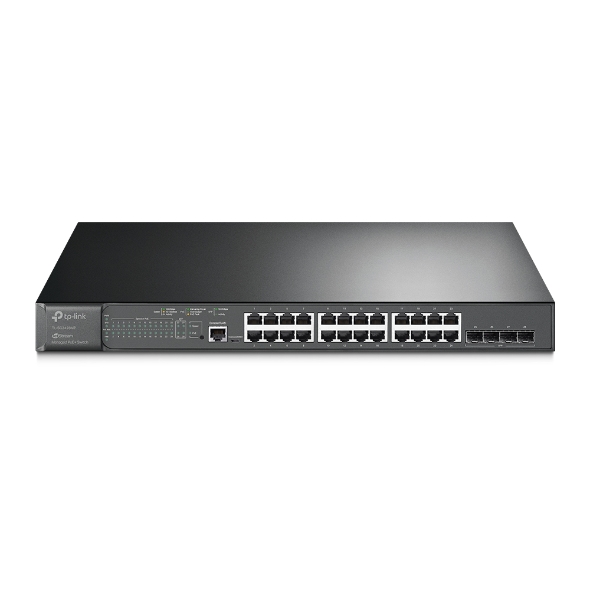
In stock
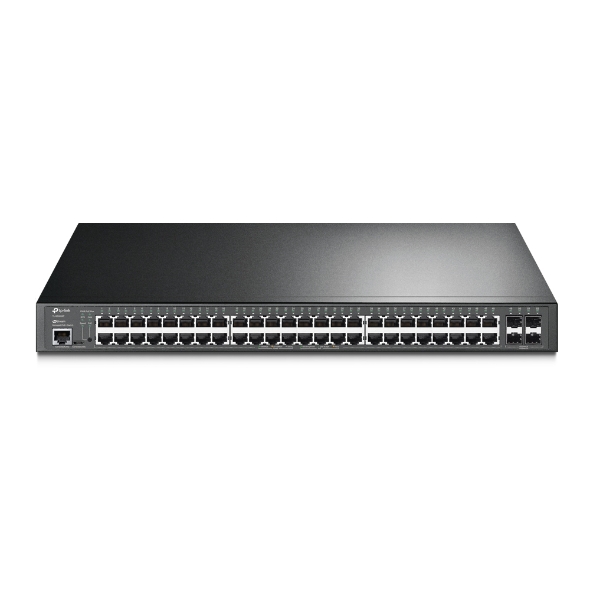
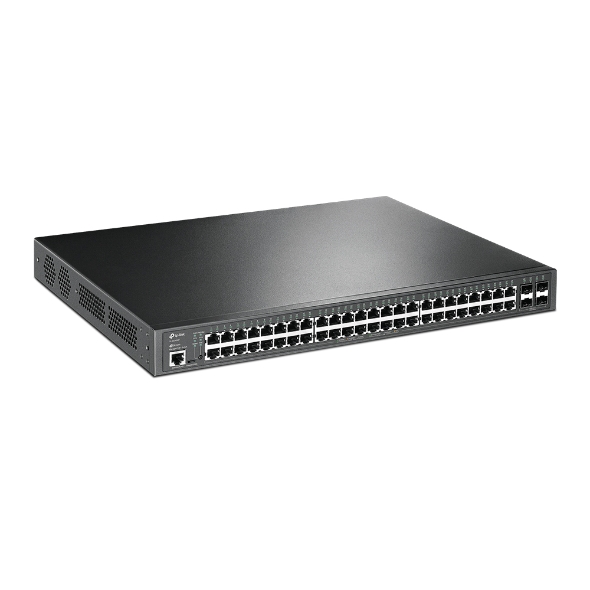
In stock
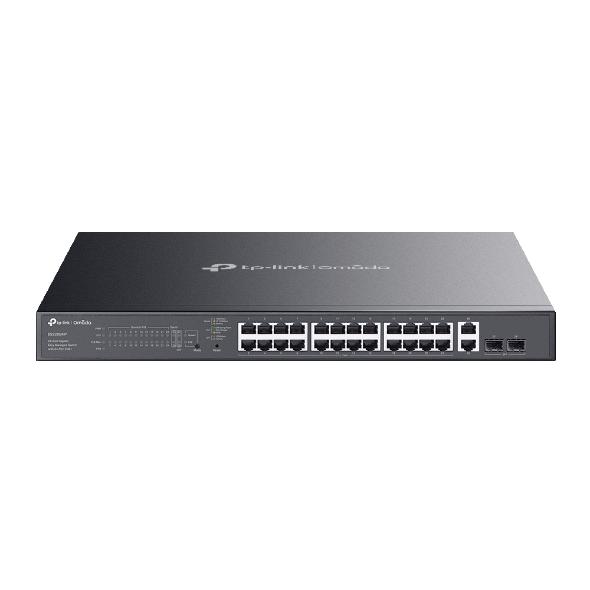
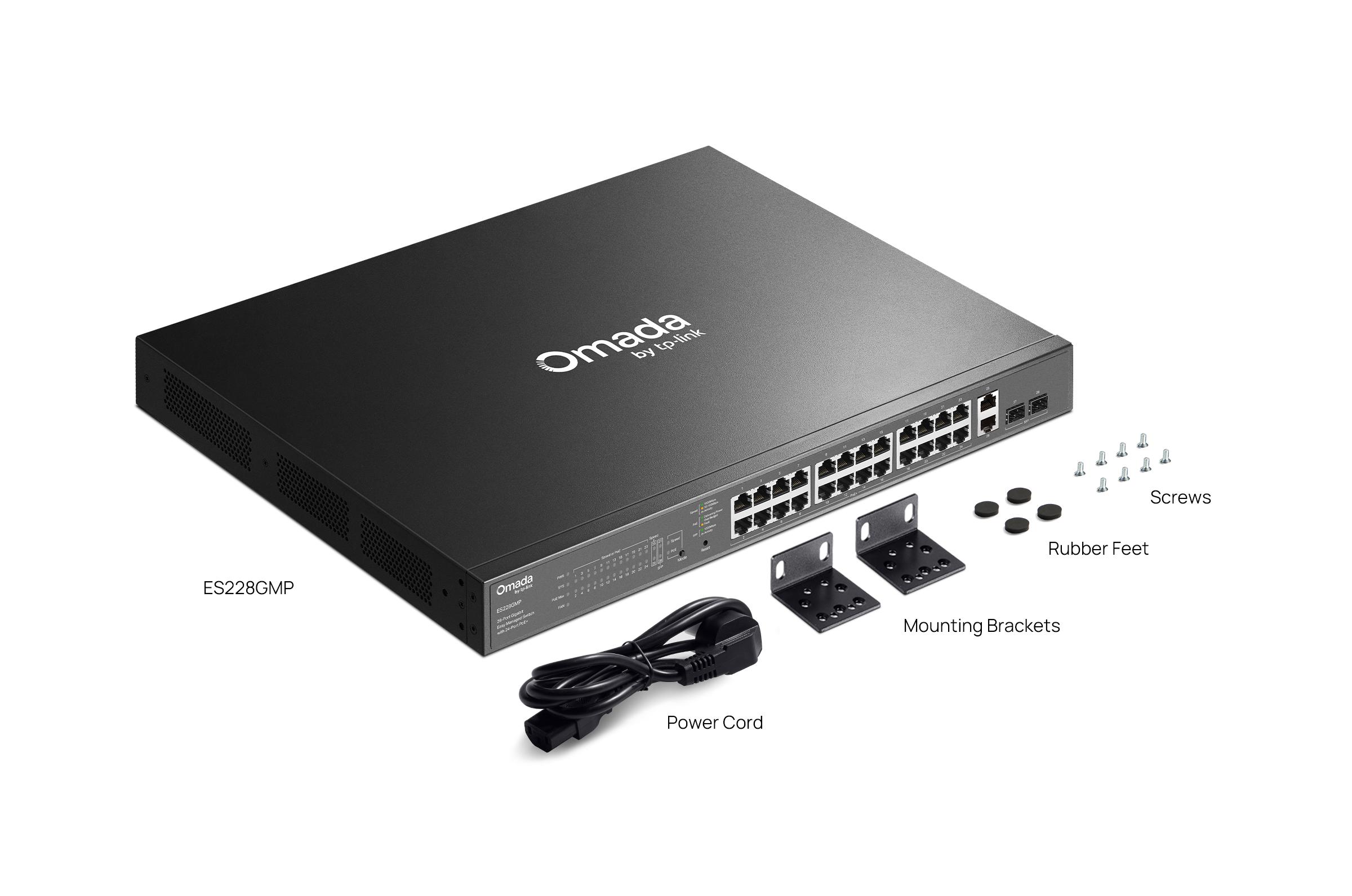
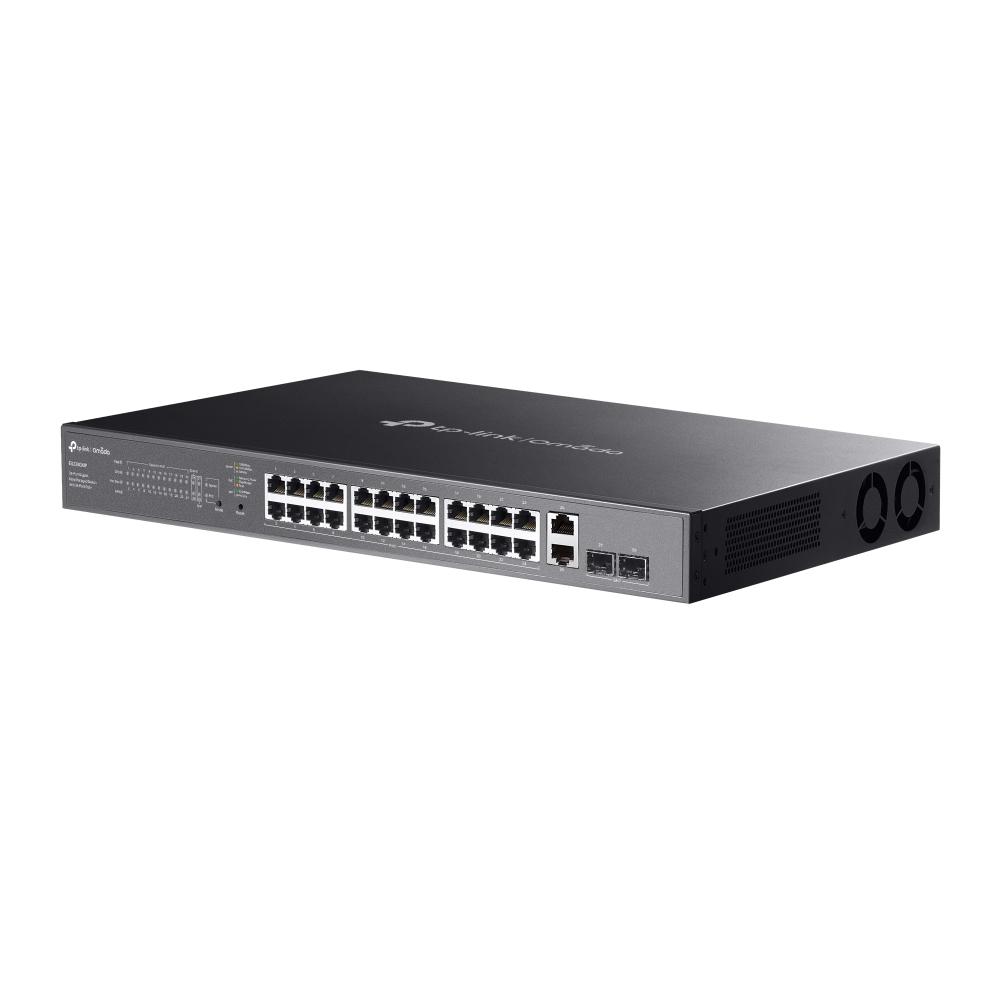
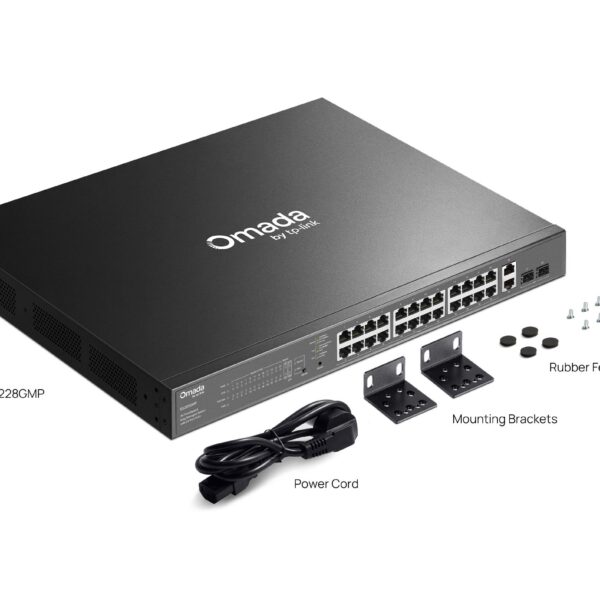
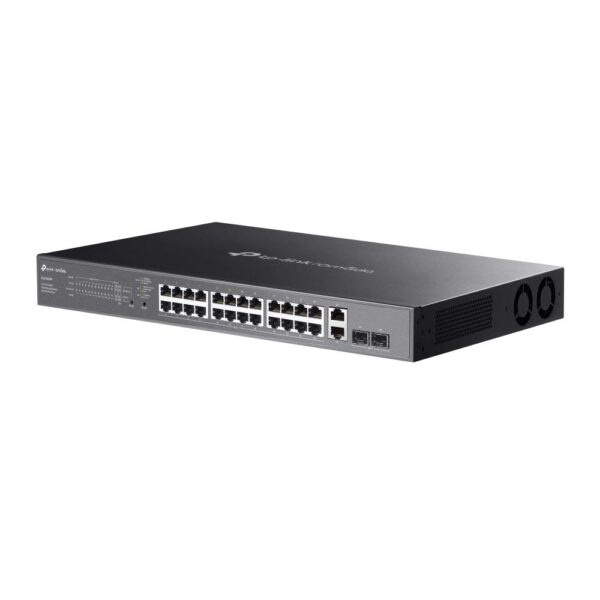
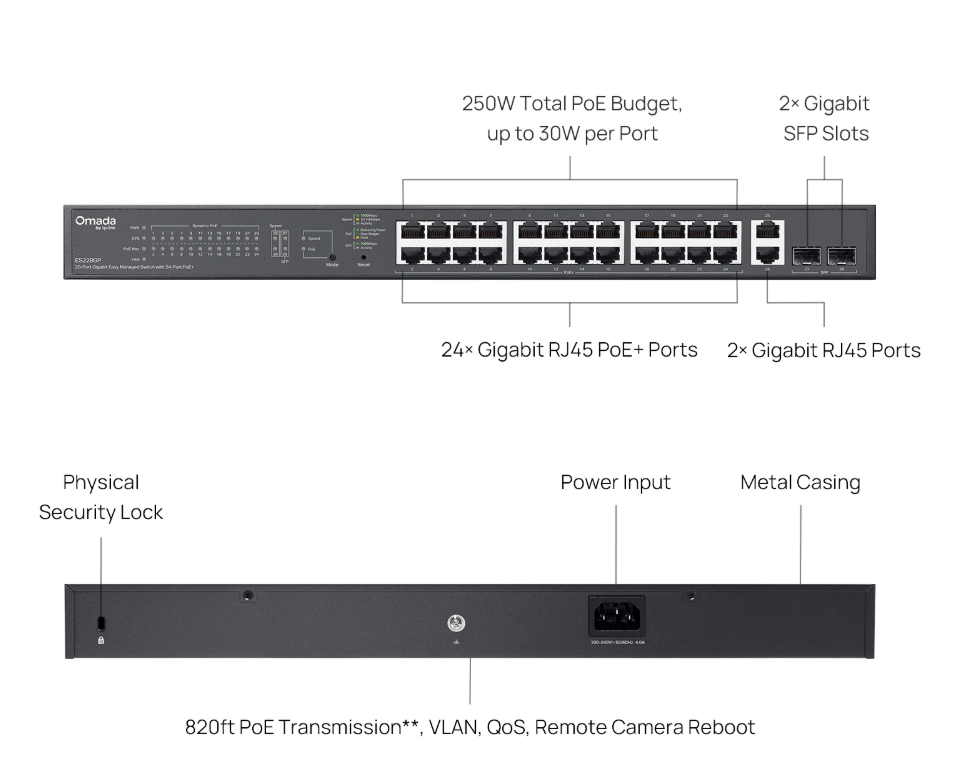
TP-Link ES228GP is a high-capacity Layer 2 easy managed switch engineered for demanding network environments such as enterprise surveillance systems, wireless deployments, and structured business networks. It delivers reliable Gigabit connectivity along with powerful PoE+ capabilities, making it ideal for powering multiple devices through a single switch.
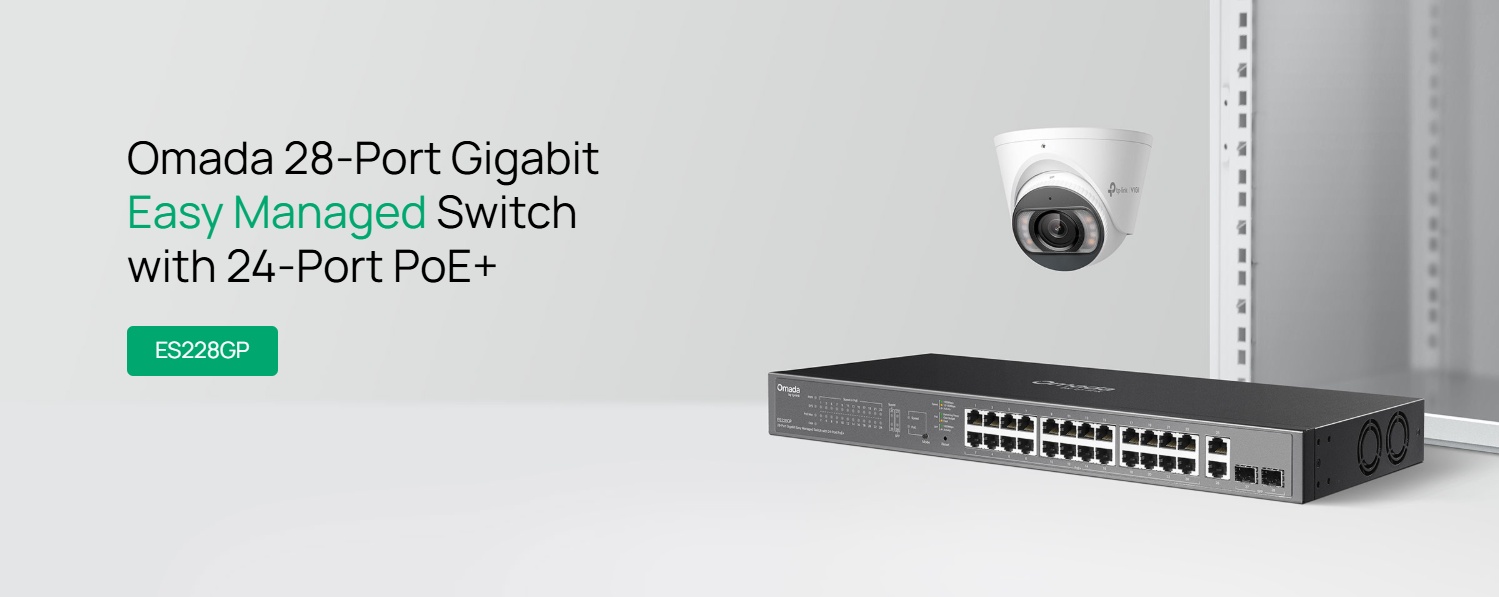
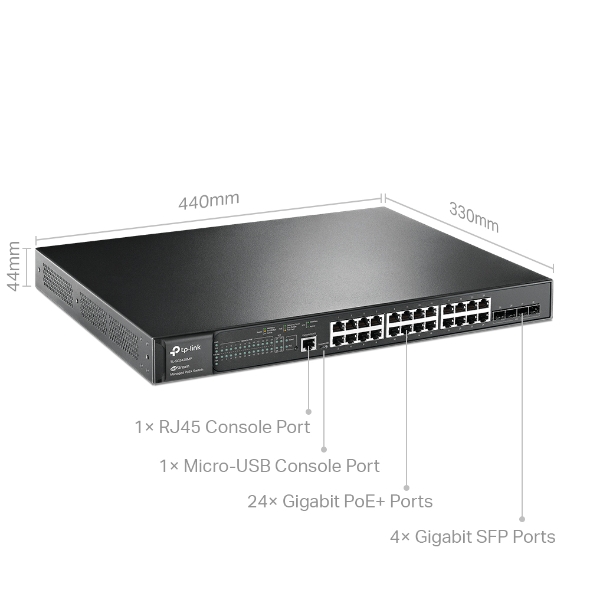
Featuring 24 Gigabit PoE+ ports compliant with IEEE 802.3af/at standards, the TP-Link ES228GP provides up to 30W per port with a total PoE budget of 250W. This allows seamless operation of IP cameras, access points, and VoIP devices without requiring separate power infrastructure. Additionally, two Gigabit SFP slots enable flexible fiber uplinks for extended network expansion.
Designed for large-scale deployments, the TP-Link ES228GP supports extended PoE transmission up to 250 meters (820 ft) in extend mode, making it highly suitable for wide-area surveillance coverage. Advanced features such as QoS, VLAN, IGMP Snooping, and port isolation help optimize traffic flow, enhance security, and ensure stable video streaming performance.
Centralized management is enabled through the Omada SDN platform, offering cloud-based access via web or mobile app. This allows IT administrators to configure, monitor, and manage multiple devices across sites from a single interface. The switch also supports Zero-Touch Provisioning and intelligent monitoring for efficient network operations.
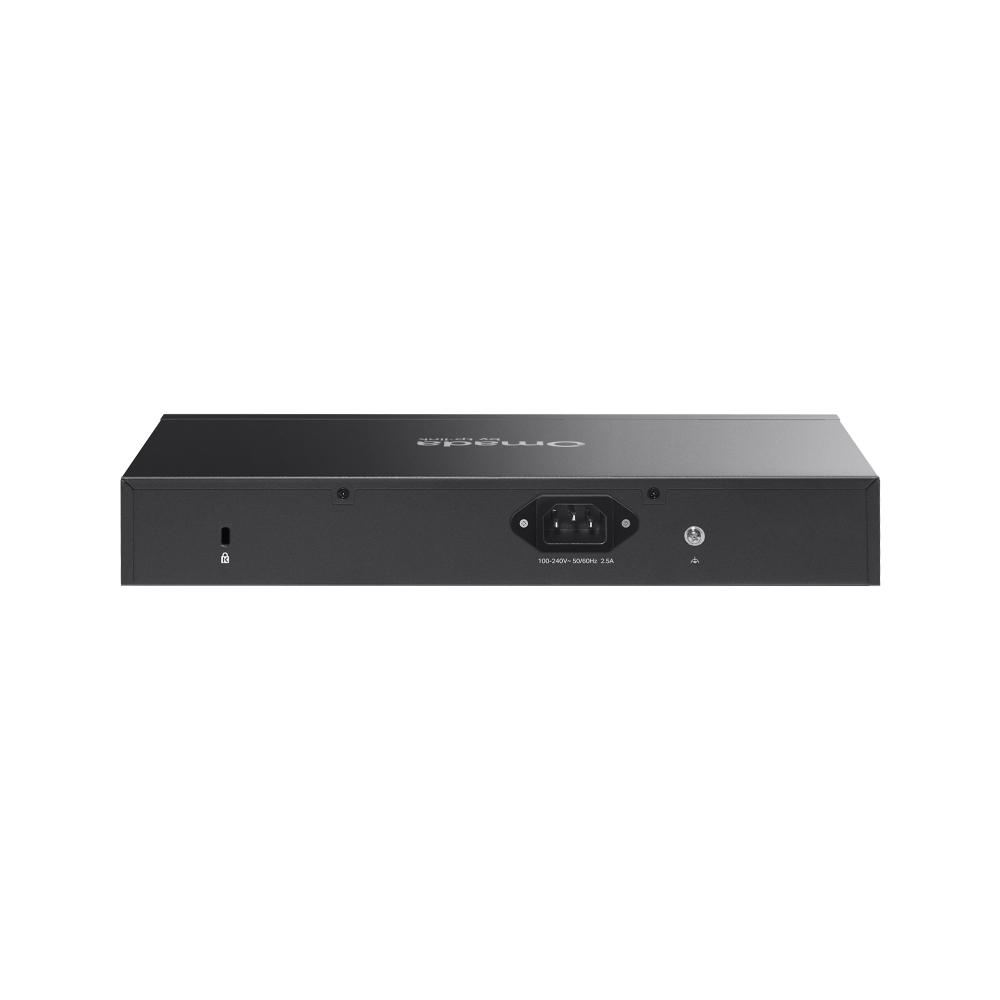
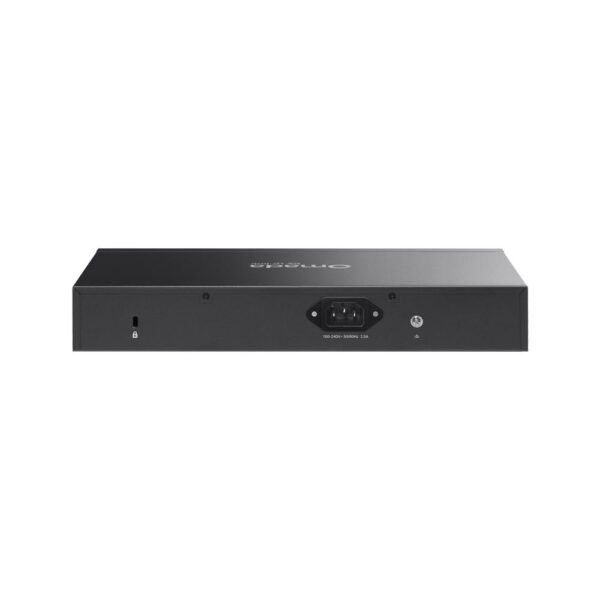
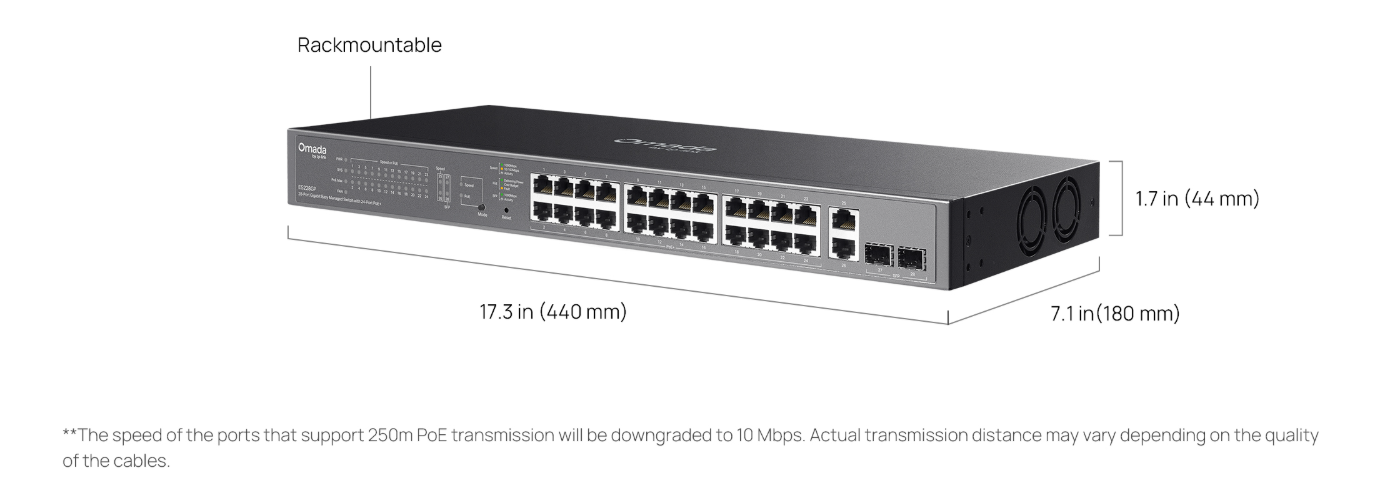
Built with a durable metal enclosure and rackmount design, the TP-Link ES228GP ensures long-term reliability and easy integration into professional network racks. Its robust performance, combined with scalable management features, makes it a dependable solution for growing business networks.
Best Suited For
• Large surveillance systems with multiple IP cameras
• Medium to large business networks
• Wi-Fi deployments with multiple access points
• Centralized cloud-managed multi-site networks
• Structured cabling and rack-based installations
Not Suited For
• Outdoor installations without weatherproof enclosures
• Advanced Layer 3 routing environments
• Core data center switching
• Small networks that do not require high port density or PoE capacity


In stock
In stock
In stock
Out of stock
In stock