
 HD Cameras and Webcam
 Projectors and Speakers
 VOIP Phones and Gateway
 Access Control
 LTE and 5G Devices
 Smart Sensors And Automation
 Fiber and SFP Modules
 Firewall & Cloud Controllers
 Network Adapters and Accessories
 Network Switches
 PoE Switches
 Point To Point Wireless Radio
 Routers
 Wireless Access Points
 IP Cameras
 Memory Cards
 NVR
NVR Smart WiFi Cameras
 Storage Devices
 Desktop & Laptop RAMs
 Internal and External Hard Drives
 Storage Accessories and Enclosures
 SSD and NVMe Drives
 USB Flash Drives


How to successfully deploy AI-powered camera Infrastructure across hundreds of sports venues – A networking case study

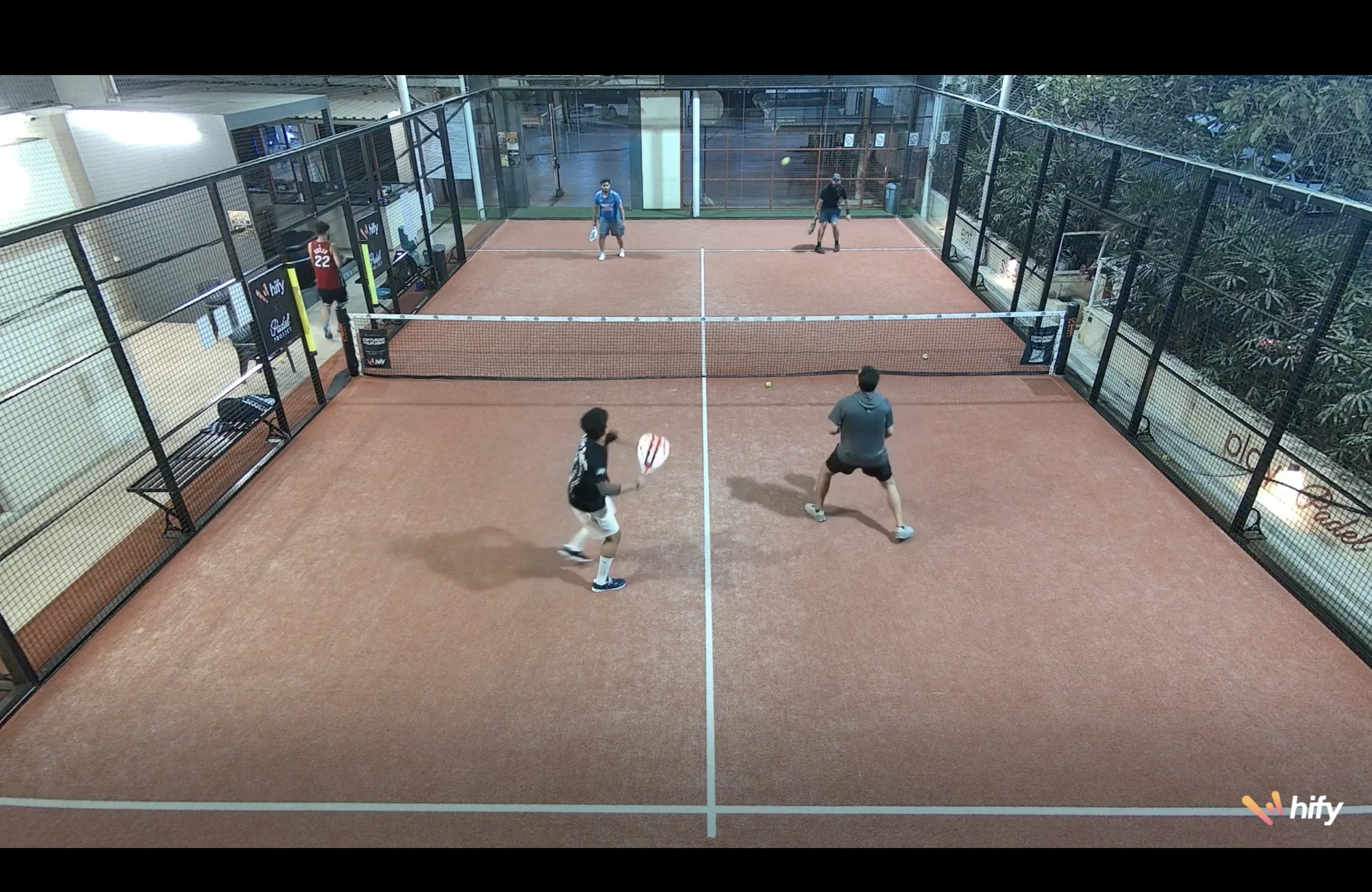
This case study covers how FGTech helped HiFy, an AI-powered sports technology platform, go from unstable hardware experiments at a handful of venues in 2025 to a standardised setup running across 200+ sports venues in India, where new venues are deployed by on-site staff following a fixed SOP, with no one from HiFy's central team or FGTech needing to visit a new site for installation.
Harsh Shah, founder of HiFy, had a clear idea. Install cameras at partner sports venues, mostly badminton and indoor courts, capture match footage, run it through computer vision to generate snapshots and highlight clips, and push finished reels to Instagram and other platforms in near real-time.
The pipeline was: the camera captured the match; the footage fed into HiFy's AI engine; the engine identified key moments (smashes, rallies, points), generated clips and player stats; and the content went out to players and venue communities automatically.
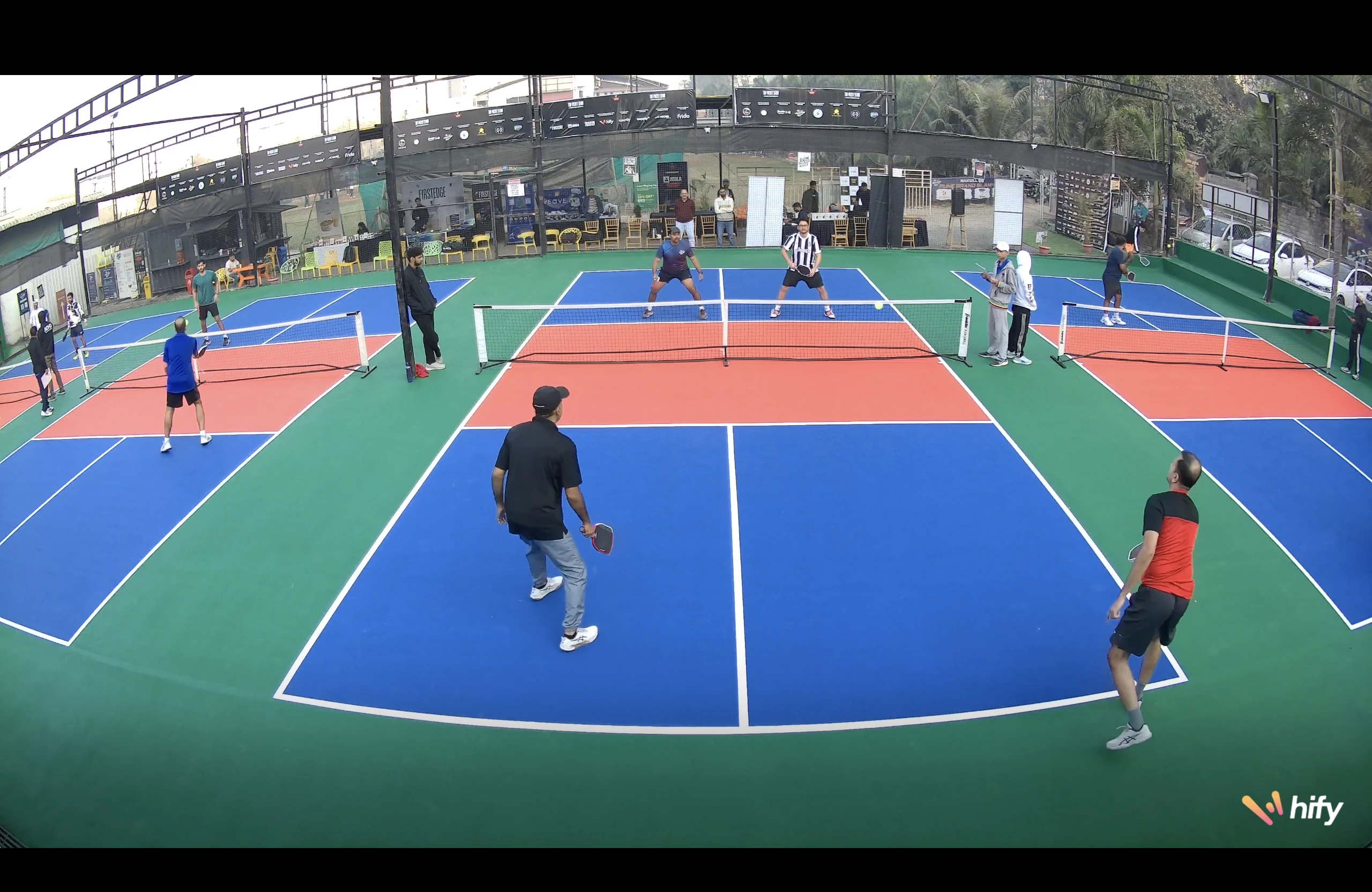
The software side was already working. HiFy's team had built the AI and the content pipeline. The problem was the hardware.
When Harsh started hitting walls with the physical infrastructure, he reached out to FGTech. At that point, HiFy had been experimenting with Hikvision cameras and D-Link switches across a few test venues, and the results were not holding up.
The network was unstable. Cameras would drop off mid-session. When they tried scaling from one camera to four at a single venue, everything slowed down. The footage was there in theory, but in practice, the feed would stall, the streams would lag, and the AI pipeline that worked perfectly in testing would choke on unreliable input.
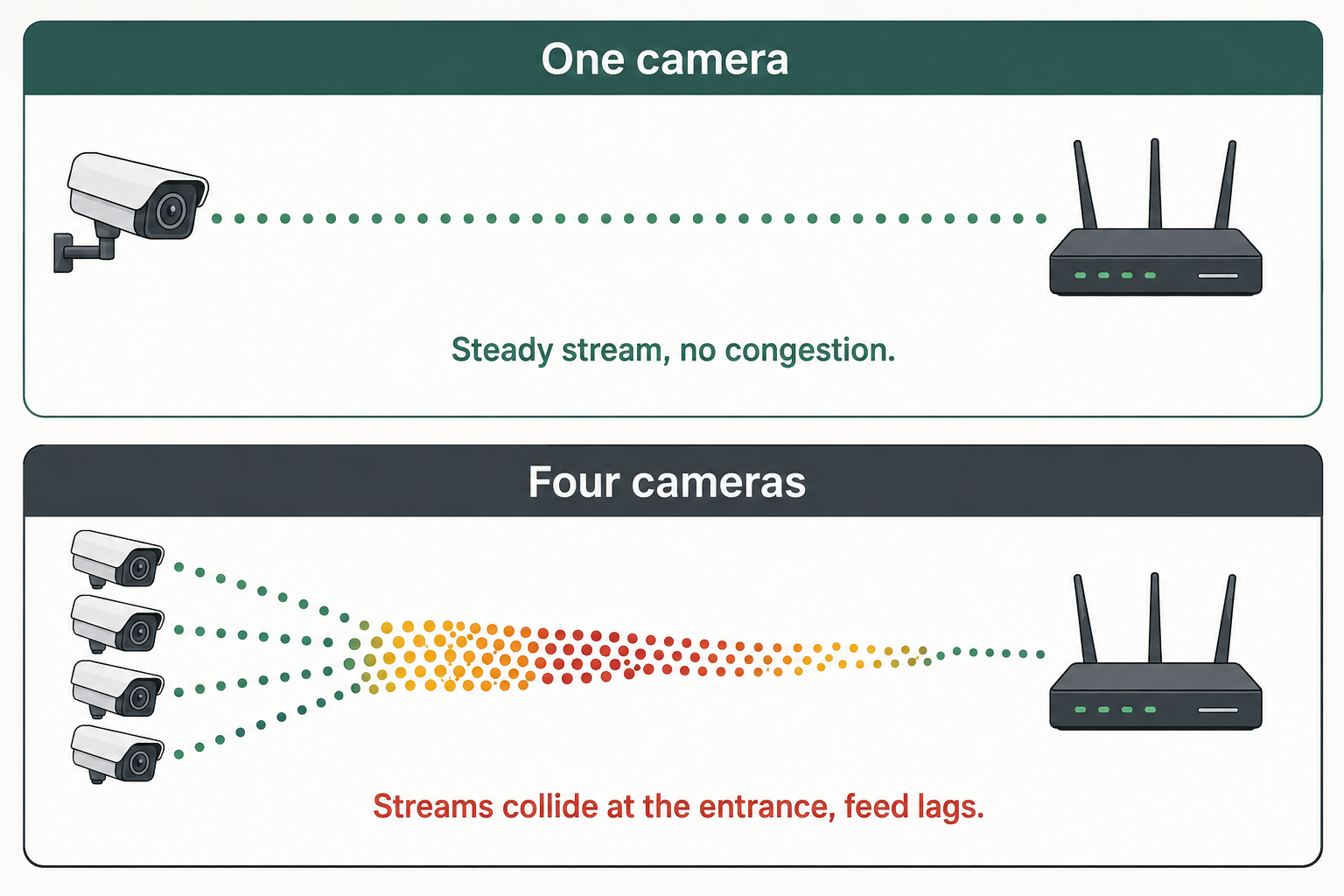
This is a common pattern in projects where the software is built first, and the hardware is figured out later. Everything works on a bench with a single camera and a stable office connection.
The moment you put it in a real venue with multiple cameras and variable internet, the gaps show up.
HiFy knew this was a hardware and networking problem. They are not a team that lacks technical understanding. They had already thought through the full pipeline architecture. What they needed was someone who could test, identify, and lock down the right combination of cameras, switches, storage, and network gear, and then make that combination repeatable across hundreds of venues without sending an engineer to each one.
FGTech started with the camera. This was the most critical piece because everything downstream depended on it.
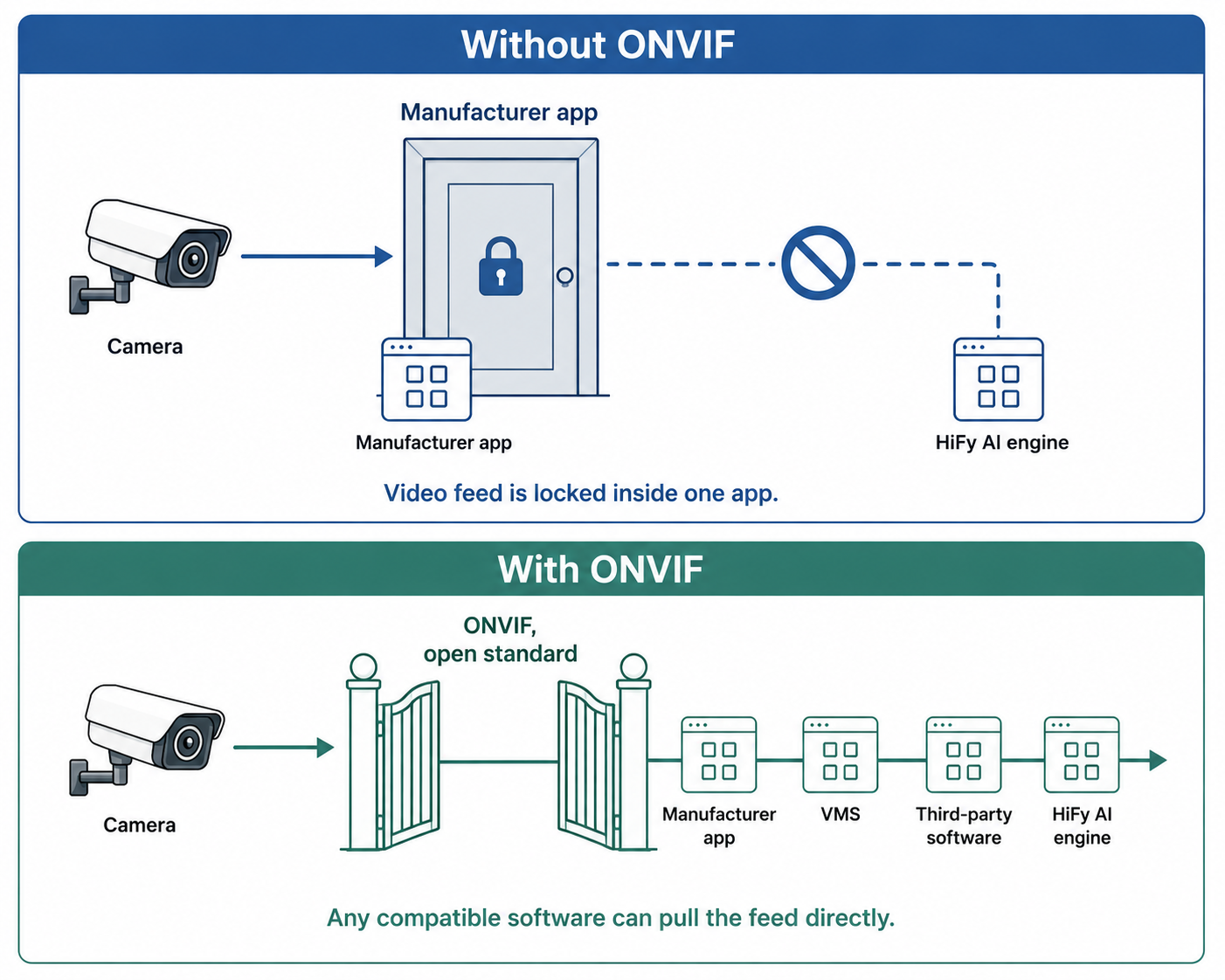
The camera needed to support ONVIF (an open protocol that lets third-party software pull video feeds without relying on the manufacturer's own app), expose API endpoints for HiFy's AI backend to access streams programmatically, and deliver 8MP resolution. 8MP was the floor, because HiFy's computer vision models required sufficient pixel density for accurate player tracking and motion detection across the full court.
The team tested extensively. Hikvision, TP-Link VIGI, CP Plus, Matrix. 8MP and 5MP variants. Different combinations of camera, switch, and cabling.
This was not a spec-sheet comparison. FGTech and HiFy put each camera through real world testing at actual venues, running them under match conditions to see which ones held up when the full pipeline was active.
Once the camera and firmware were sorted, the rest of the stack followed.
PoE switches to power cameras over Ethernet (one cable per camera instead of separate power and data runs, which is important when you are mounting cameras above courts in venues. TP-Link ER605 VPN routers for the site-to-cloud connection. LiteWave series switches for venue level networking. And Omada Cloud Management to tie every venue into a single dashboard.
Storage was another decision point. HiFy needed to store footage locally at each venue as well, not just stream it to the cloud.
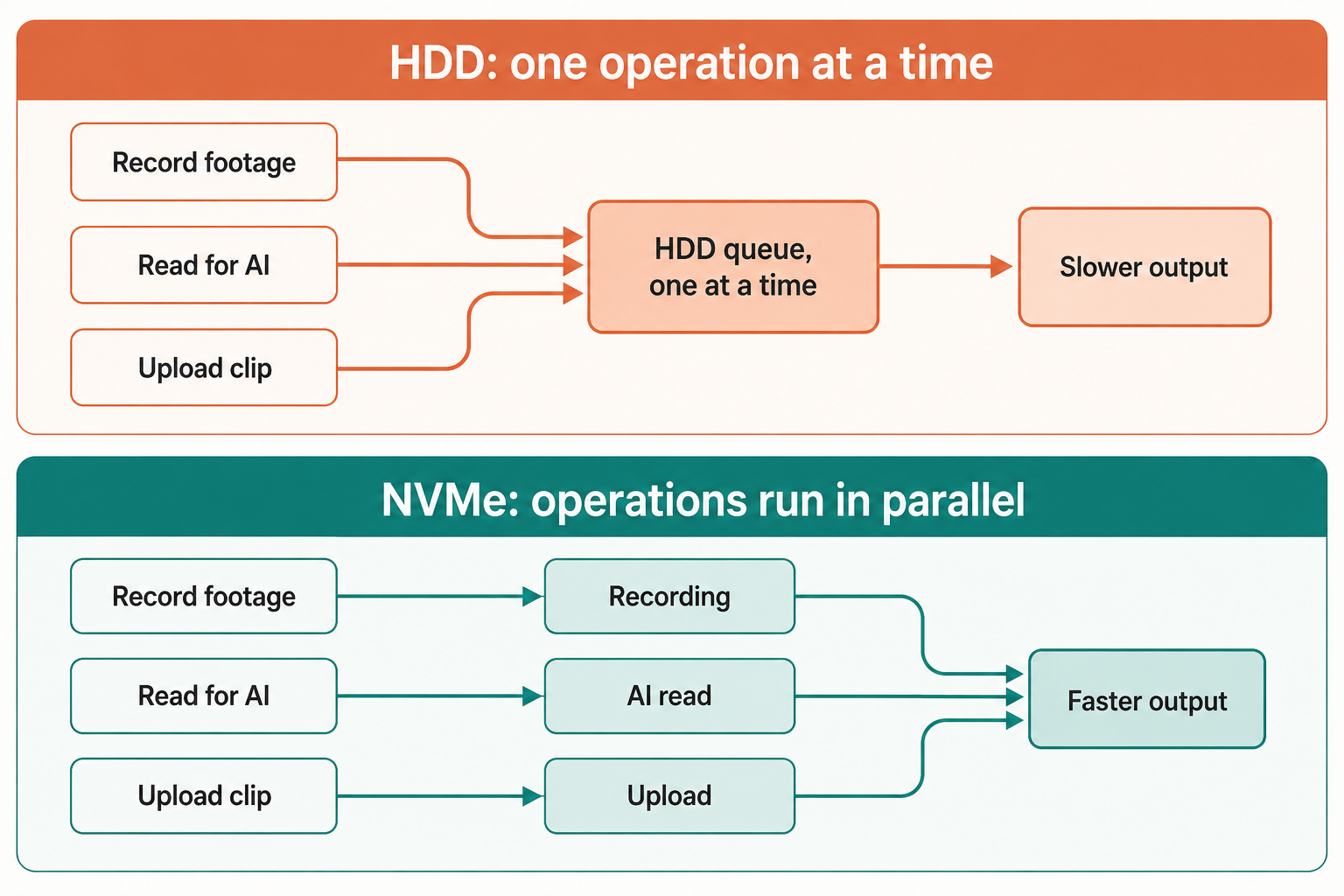
The initial approach was NVR with traditional hard drives, but we recommended NVMe storage instead. The reasoning was speed. HiFy's pipeline needs footage to be recorded and transferred quickly. A standard surveillance HDD handles sequential writes well, but when the system is simultaneously recording, reading frames for AI processing, and uploading clips, NVMe's read/write speeds eliminate the bottleneck.
The Omada Cloud setup is what made the deployment model scalable. Every venue's network hardware connects to a central dashboard. HiFy's operations team can see camera status, network health, and device configs for every location in one view. When a new venue partner signs up, the hardware ships with a standardised configuration. The venue plugs it in. The Omada dashboard picks it up. No one from HiFy's central team or from FGTech needs to travel to the site.
This was not always the case. In the early phase, someone had to physically go to each new venue for setup. The shift to remote, zero-touch deployment changed HiFy's growth economics entirely. In the first phase, HiFy onboarded 100 venues in six months. Now, with the standardised stack and remote setup process, they did 100 venues in just two months.
FGTech also helped in sourcing genuine CAT6 cables and indoor/outdoor racks, at affordable prices in multiple cities through our network for each of their sites across India in instant delivery - saving tons of money in transportation and avoiding delays in onboarding sites.
There is one more layer to FGTech's involvement that goes beyond the original deployment. When the Indian government introduced the STQC certification requirement for CCTV cameras, HiFy needed to transition to compliant hardware. Because they were already working with FGTech, they had direct access to brands like CP-Plus, Matrix, and Honeywell for testing. FGTech helped HiFy experiment with STQC-certified cameras from both brands, again through real on-site testing, not just paperwork.
What FGTech brought to this project was not a single product recommendation. It was the ability to test across brands (TP-Link, Hikvision, CP Plus, Matrix), transparent pricing where every component's cost is listed on FGTech's website and the proposal matched those prices exactly, technical support through camera selection, network configuration, storage optimisation, and stack design, and STQC compliance testing.
“We had the software and the AI pipeline ready. The part we struggled with was finding the right hardware stack that could actually run it reliably across venues. We went through multiple camera and switch combinations before working with FGTech to lock it down. Their team tested every camera at our actual venues, coordinated with TP-Link, helped us figure out storage, and built a setup where we can now bring a new venue online without sending anyone to the site. We went from 100 venues in six months to 100 in two months”
Harsh Shah, Founder, Get HiFy Club Pvt. Ltd.